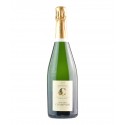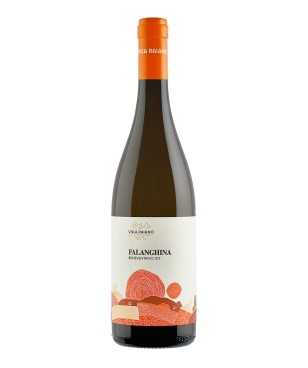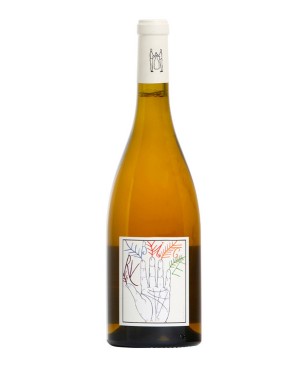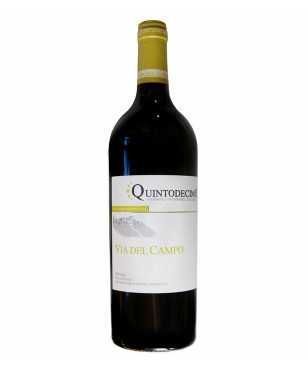
Villa Raiano Falanghina del Beneventano IGT 2022
| Tipologia | Bianco |
| Classificazione: | DOC Falnghina del Beneventano |
| Regione: | Campania |
| Vitigni: | 100% Falanghina |
| Alcol: | 14,00% in volume |
| Formato: | 0,75 l Standard |
Contiene Solfiti - Contains Sulfites
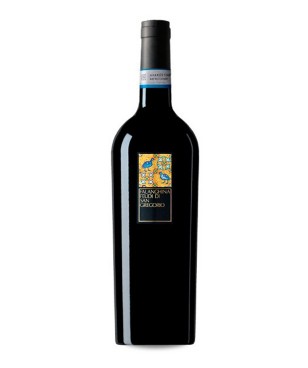
Falanghina is one of Campania's most representative white grape varieties and one of the most distinctive grapes of Southern Italy. It produces fresh, fragrant and aromatic wines capable of expressing the characteristics of the different territories in which it is grown.
In this category you will find a selection of Falanghina wines from different producers, areas and vintages, ranging from young and approachable interpretations to more structured and complex expressions.
Citrus fruit, apple, pear, white flowers and herbs are among the grape's most characteristic aromas, often accompanied by mineral nuances and pleasant freshness on the palate.
Falanghina generally produces pale straw-coloured wines with a fresh and well-defined aromatic profile in which citrus, apple, pear, peach, white flowers and herbs can emerge.
On the palate it tends to stand out for good acidity, freshness and savouriness, with structure varying considerably according to terroir and winemaking techniques.
More immediate expressions emphasise fragrance and drinkability, while more structured wines can develop greater depth and complexity with age.
Falanghina is deeply connected with Campania , where it is one of the region's most important and recognisable white grape varieties.
The grape is cultivated across different parts of Campania characterised by widely varying climates, elevations and soils.
This environmental diversity contributes to white wines with different profiles, generally united by freshness and a distinctive territorial identity.
One of the territories most closely associated with Falanghina is Sannio, in the inland area of Campania, where the grape plays a central role in local wine production.
Hilly conditions and day-night temperature variations can encourage balanced grape ripening while helping preserve acidity and develop well-defined aromatic profiles.
Sannio interpretations can range from fresh and approachable wines to more structured and complex expressions depending on the area and producer.
Falanghina is also cultivated in the Campi Flegrei, a coastal territory characterised by volcanic soils and strong maritime influence.
Under these conditions the grape can produce wines characterised by freshness, savouriness and distinctive tension on the palate.
Comparing Campi Flegrei with inland areas of Campania shows how Falanghina can take on different characteristics while retaining a recognisable varietal identity.
Falanghina can be interesting to compare with other major white grapes of Campania, such as Fiano and Greco di Tufo .
Compared with Fiano, which is often more structured and capable of significant development, Falanghina generally tends to offer greater immediacy and fragrance. Greco can instead stand out for structure, acidity and a particularly marked mineral character.
Comparing these varieties reveals the richness of Campanian white wine production and the importance of indigenous grapes in defining the region's identity.
Falanghina is often fermented in stainless steel at controlled temperatures to preserve freshness, aromatic character and precision.
Some producers use ageing on fine lees or other techniques to increase structure and complexity without compromising the grape's natural freshness.
Styles can therefore range from light and approachable wines to more layered interpretations capable of expressing their territory with greater depth.
Some Falanghina wines can show a pronounced savoury and mineral quality, particularly in territories characterised by volcanic soils or strong maritime influence.
These sensations integrate with the grape's citrus and floral profile, contributing to fresh, vibrant and persistent wines.
Perceived minerality can nevertheless take on different characteristics according to terroir, vintage and winemaking choices.
Freshness and aromatic character make Falanghina particularly versatile at the table. It pairs well with fish, shellfish, seafood, appetisers, vegetables and delicate pasta dishes.
More structured expressions can also accompany white meats, fresh cheeses and more elaborate fish preparations.
Our selection of Falanghina includes bottles from different producers, territories and vintages, chosen to showcase the various interpretations of one of Campania's most important white grape varieties.
Our aim is to offer a choice suitable both for those looking for a fresh and aromatic white wine and for enthusiasts interested in comparing territories, producers and different expressions of Campanian viticulture.
Falanghina generally produces fresh, aromatic and savoury white wines characterised by citrus, white-fleshed fruit, floral and herbal notes.
Falanghina is grown primarily in Campania, with particularly important production in Sannio and Campi Flegrei.
They are three different Campanian white grape varieties. Falanghina tends to be fresh and fragrant, Fiano is often more structured and age-worthy, while Greco can show greater intensity and pronounced mineral character.
Falanghina pairs well with fish, shellfish, seafood, vegetables, appetisers and delicate pasta dishes. More structured versions can also accompany white meats and fresh cheeses.
| Tipologia | Bianco |
| Classificazione: | DOC Falnghina del Beneventano |
| Regione: | Campania |
| Vitigni: | 100% Falanghina |
| Alcol: | 14,00% in volume |
| Formato: | 0,75 l Standard |
Contiene Solfiti - Contains Sulfites
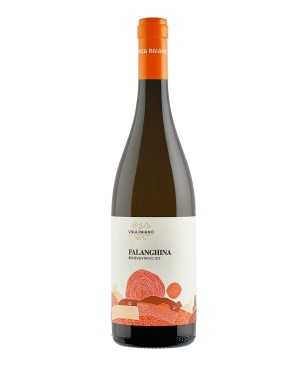
| Tipologia | Bianco fermo |
| Classificazione: | Falanghina del Sannio DOC |
| Regione: | Campagnia |
| Vitigni: | 100% Falanghina |
| Alcol: | 12,50% in volume |
| Formato: | 0,75 l Standard |
Contiene solfiti - Contains sulfites
| Tipologia | Bianco |
| Classificazione: | DOC Falnghina del Beneventano |
| Regione: | Campania |
| Vitigni: | 100% Falanghina |
| Alcol: | 14,00% in volume |
| Formato: | 0,75 l Standard |
Contiene Solfiti - Contains Sulfites
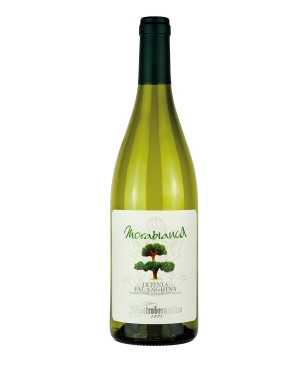
| Tipologia | Irpinia Falanghina DOC |
| Regione: | Campania |
| Vitigni: | Falanghina 100% |
| Alcol: | 12,50% in volume |
| Formato: | 0,75 l Standard |
Contiene solfiti - Contains sulfites
| Tipologia | Bianco fermo |
| Classificazione: | Falanghina IGT |
| Regione: | Campania |
| Vitigni: | 100% Falanghina |
| Alcol: | 13,50% in volume |
| Formato: | 0,75 l Standard |
Contiene solfiti - Contains sulfites
| Tipologia | Bianco fermo |
| Classificazione: | DOC Irpinia |
| Regione: | Campania |
| Vitigni: | 100% Falanghina |
| Alcol: | 14,00% in volume |
| Formato: | 0,75 l Standard |
Contiene Solfiti - Contains Sulfites
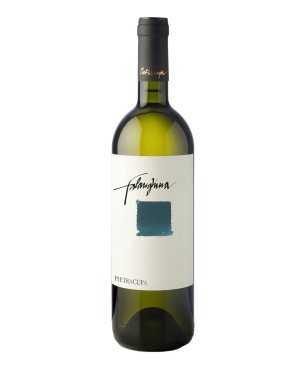
| Tipologia | Bianco fermo |
| Classificazione: | Campania Falanghina IGT |
| Regione: | Campania |
| Vitigni: | 100% Falanghina |
| Alcol: | 14,00% in volume |
| Formato: | 0,75 l Standard |
| Tipologia | Bianco fermo |
| Classificazione: | DOC Irpinia |
| Regione: | Campania |
| Vitigni: | 100% Falanghina |
| Alcol: | 14,00% in volume |
| Formato: | 0,75 l Standard |
Contiene solfiti - Contains sulfites