Filter by
Price
Country - Region
Manufacturers
Formato

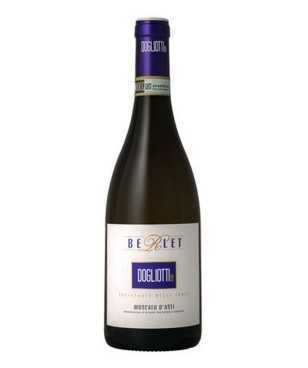
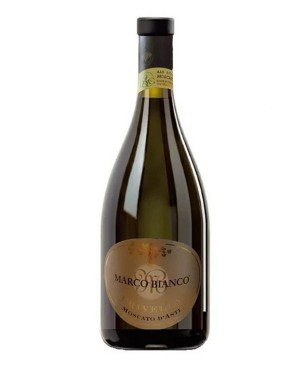
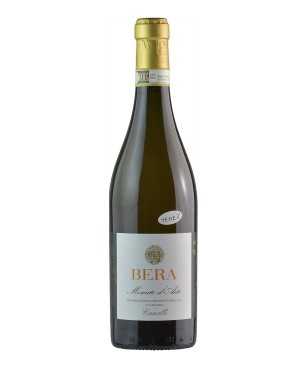
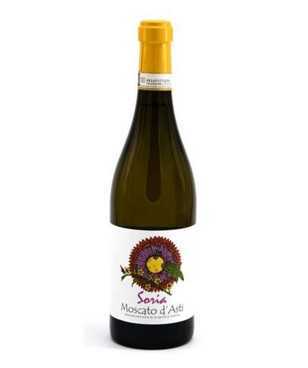
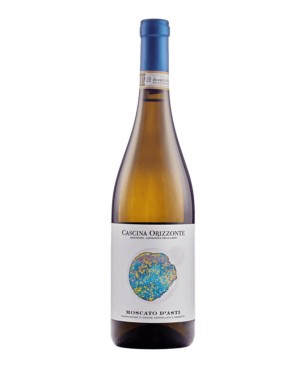
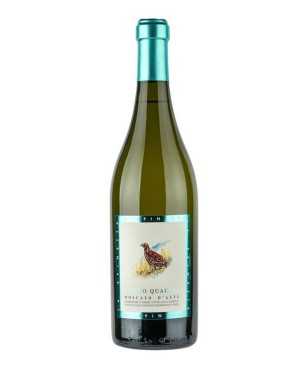
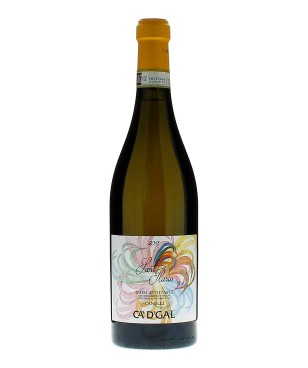
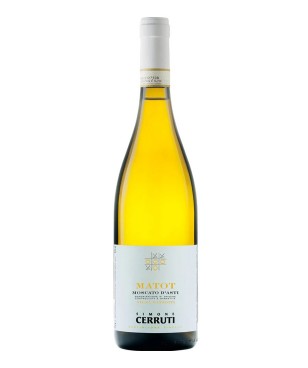
Moscato d'Asti

Moscato d'Asti: natural sweetness, Piedmontese aromas, and heritage

Moscato d'Asti is one of Italy's most iconic sweet aromatic wines, world-famous for its irresistible fragrance, low alcohol content, and delicate, refreshing spritz. Crafted from Moscato Bianco grapes in the heart of Piedmont, it is the quintessential wine for celebrations, desserts, and festive gatherings.

In this category, you will find a curated selection of Moscato d'Asti DOCG from historic winemaking zones across the provinces of Asti, Cuneo, and Alessandria. Our catalog features renowned heritage wineries as well as boutique artisanal producers dedicated to balancing sweetness, vibrant acidity, and intense fruit flavors.

If you enjoy fine sweet and dessert wines, you can also explore our categories dedicated to Franciacorta, Alta Langa, and sparkling wines.

How to choose a Moscato d'Asti

Choosing a Moscato d'Asti means opting for a truly unique style of wine. Unlike fully sparkling wines (such as Asti Spumante), Moscato d'Asti is gently semi-sparkling (frizzante) with a lower bottle pressure (under 2.5 bar) and a light alcohol level, typically ranging between 4.5% and 5.5% ABV.

When selecting a bottle, consider the producer's style: some expressions emphasize crisp citrus acidity to keep the palate lively, while others showcase richer aromas of orange blossom, honey, sage, and ripe orchard fruits. Single-vineyard (cru) and organic options are also available for deeper complexity.

The hallmark of a great Moscato d'Asti is balance: its natural grape sweetness should never feel cloying, but rather lifted by a bright acidity that makes every sip refreshing and crisp.

The Moscato d'Asti terroir

The Moscato d'Asti DOCG production zone spans the steep, sun-drenched hills of Langhe, Monferrato, and Roero in Piedmont—a vineyard landscape recognized as a UNESCO World Heritage site. Moscato Bianco vines thrive on calcareous marl and limestone soils of ancient marine origin.

These rich soils, paired with cool breezes and significant daily temperature drops, allow the grapes to develop an extraordinary profile of aromatic terpenes. Renowned villages such as Canelli, Castiglione Tinella, Santo Stefano Belbo, Calosso, and Strevi represent the qualitative heartland of the denomination.

Winemaking involves gentle pressing of the grapes, cold storage of the unfermented grape must, and a partial fermentation in pressure tanks that is chilled and stopped once the desired low alcohol and natural sweetness levels are reached.

Characteristics and food pairings

Moscato d'Asti shines in the glass with a brilliant pale yellow color. On the nose, it delivers an unmistakable bouquet of orange blossom, white peach, apricot, linden, fresh sage, and acacia honey. On the palate, it is sweet, velvety, creamy, and gently effervescent.

It is the traditional pairing for holiday cakes like Panettone and Pandoro, but it also pairs seamlessly with dry pastries, hazelnut cakes, fruit tarts, and fresh fruit bowls. For an adventurous pairing, try serving Moscato d'Asti alongside blue cheeses (such as Gorgonzola) or mildly spiced Asian dishes.

The selection at Il Quadrifoglio Wine

Our collection highlights the finest expressions of Moscato d'Asti DOCG, combining top historic estates with small-scale artisanal vignerons. Every bottle is chosen to guarantee maximum freshness, aromatic purity, and the authentic joy that defines this grape variety.

The mission of Il Quadrifoglio Wine is to offer sweet wines that elevate special moments, festive toasts, and refined dessert pairings.

Frequently Asked Questions about Moscato d'Asti

What is the difference between Moscato d'Asti and Asti Spumante?

While both come from the same region and grape, Moscato d'Asti is semi-sparkling (frizzante) with lower pressure, lower alcohol (around 5% ABV vs 7-11% for Asti Spumante), and uses a standard wine cork rather than a champagne cork with a wire cage.

Is Moscato d'Asti always sweet?

Yes, Moscato d'Asti retains natural residual sugar from the grape must because fermentation is stopped before all sugars convert into alcohol.

At what temperature should Moscato d'Asti be served?

It should be served well-chilled between 6°C and 8°C (43°F – 46°F). It is best enjoyed young, within 1 to 2 years of vintage, to fully appreciate its vibrant fruit and floral aromas.

Does Moscato d'Asti contain sulfites?

Like most wines, it contains sulfites, though the combination of low alcohol and cold fermentation allows winemakers to keep sulfite levels very low.

You might also be interested in:

Moscato d'Asti: sweet Italian aromatic wine & DOCG | Il Quadrifoglio Wine
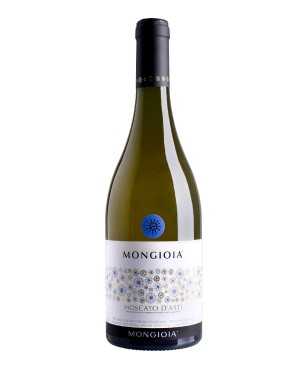
Mongioia Moscato d'Asti...
Quick view Quick View

Mongioia Moscato d'Asti DOCG 2024

€11.07
Tipologia Bianco fermo dolce aromatico
Classificazione: DOCG Moscato d'Asti
Regione: Piemonte
Vitigni: 100% Moscato Bianco
Alcol: 5,50% in volume
Formato: 0,75 l Standard

Contiene solfiti - Contains sulfites