Filter by
Price
Country - Region
Manufacturers
Formato

Vin Santo del Chianti

Vin Santo del Chianti: tradition, dried grapes and Tuscan sweetness

Vin Santo del Chianti is one of Tuscany's most traditional sweet wines, produced from dried grapes and characterised by an intense, complex aromatic profile deeply rooted in the region's winemaking culture.

In this category you will find a selection of Vin Santo del Chianti wines from different producers, territories and vintages, ranging from more approachable interpretations to mature and complex expressions.

Dried fruit, honey, apricot, candied citrus, spices and oxidative notes are among its most characteristic aromas, with considerable variation depending on grape drying, ageing and production style.

What is Vin Santo del Chianti?

Vin Santo del Chianti is traditionally produced from white grapes that undergo a period of drying before vinification. This process concentrates sugars, aromas and extract, contributing to the wine's richness and complexity.

The resulting wine can vary in sweetness according to producer style while generally retaining considerable structure and aromatic intensity.

It is one of the most distinctive expressions of Tuscan sweet wines .

Vin Santo and Chianti

Vin Santo del Chianti is closely associated with the territory of Chianti and more broadly with Tuscany , where this style of wine has a long tradition.

Its relationship with the territory involves not only the grapes but also drying techniques, ageing periods and the use of small wooden vessels, all of which help define the wine's identity.

Styles can therefore vary considerably from producer to producer while maintaining a shared cultural and territorial foundation.

Grape varieties used for Vin Santo del Chianti

Among the historically important grapes used for Vin Santo del Chianti are Trebbiano Toscano and Malvasia Bianca Lunga.

Trebbiano can contribute freshness and structure, while Malvasia can add greater aromatic intensity and softness.

The balance between grape varieties, grape quality and the drying process has a profound influence on the finished wine.

Drying the grapes

Grape drying is one of the fundamental elements in Vin Santo production. After harvest, the grapes are allowed to dehydrate, increasing their natural concentration of sugars and aromas.

During this period the berries lose part of their water content and develop into a richer and more concentrated raw material for subsequent fermentation.

The duration and method of drying can vary and significantly influence the structure, sweetness and complexity of the wine.

Caratelli and ageing

One of the features historically associated with Vin Santo is ageing in caratelli, small wooden barrels in which the wine can mature for extended periods.

Contact with wood and gradual development over time contribute to complex aromas of dried fruit, spices, honey, caramel and oxidative nuances.

Ageing is therefore a decisive stage in defining the aromatic and flavour profile of the most traditional interpretations.

Different levels of sweetness in Vin Santo

Although Vin Santo is often associated exclusively with sweetness, interpretations can vary considerably in residual sugar.

Some styles emphasise softness and concentration, while others show greater tension and an equilibrium more focused on freshness and complexity.

This diversity makes Vin Santo a more varied category than it may first appear.

Vin Santo and cantucci

The most famous pairing is Vin Santo with cantucci, which has become one of Tuscany's best-known gastronomic traditions.

The wine's sweetness and complexity work particularly well with the crisp texture and almond character of the traditional biscuits.

However, limiting Vin Santo to this single pairing overlooks its versatility and broader gastronomic potential.

Food pairings with Vin Santo del Chianti

Beyond cantucci, Vin Santo del Chianti can accompany dry pastries, almond desserts, tarts, dried fruit and desserts that are not excessively sweet.

More complex expressions can also work with blue or aged cheeses and can be enjoyed on their own as contemplative wines.

Vin Santo and other Italian passito wines

Vin Santo can be compared with other Italian passito wines while retaining a deeply Tuscan identity.

Drying techniques, grape varieties, ageing vessels and local traditions create important differences compared with wines such as Passito di Pantelleria .

Comparing these styles reveals how grape drying can produce profoundly different results according to territory and production method.

Il Quadrifoglio Wine selection

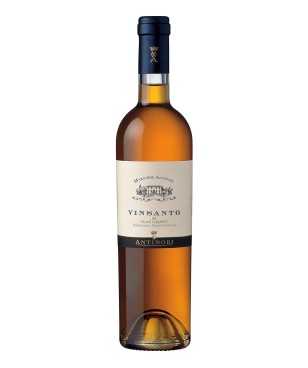
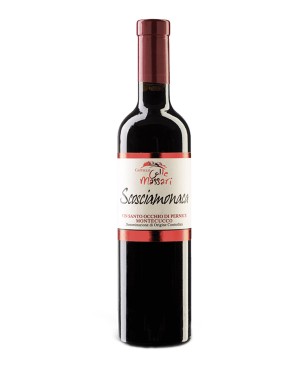
Our selection of Vin Santo del Chianti includes bottles chosen to showcase different interpretations of one of Tuscany's most traditional wines.

Our aim is to offer a choice suitable both for those discovering Vin Santo for the first time and for enthusiasts interested in comparing producers, vintages and different ageing styles.

Frequently asked questions about Vin Santo del Chianti

What kind of wine is Vin Santo del Chianti?

It is a Tuscan wine produced from dried grapes, generally characterised by sweetness, aromatic intensity and notes of dried fruit, honey, spices and candied citrus.

Which grapes are used for Vin Santo del Chianti?

Trebbiano Toscano and Malvasia Bianca Lunga are among the traditionally important grape varieties used in its production.

Why is Vin Santo paired with cantucci?

The sweetness and complexity of the wine pair naturally with the crisp texture and almond flavours of cantucci, creating one of Tuscany's most traditional combinations.

How should Vin Santo be served?

It can be served with desserts, dry pastries and cheeses or enjoyed on its own. More complex versions are particularly suited to slow sipping.

You may also be interested in:

Vin Santo del Chianti: traditional Tuscan sweet wine | Il Quadrifoglio Wine