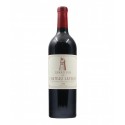
Chateau Rieussec Carmes de Rieussec Sauternes 2021 AOC
|
Tipologia |
Bianco Dolce |
|
Regione: |
Bordeaux |
|
Alcol: |
13,00% in volume |
|
Formato: |
0,75 L Standard |
Contiene Solfiti - Contains Sulfites
Sauternes is one of France's most prestigious sweet wines and comes from the eponymous area of Bordeaux. Its identity is closely linked to Botrytis cinerea, known as noble rot, which concentrates sugars, aromas and extract in the grapes.
In this category you will find a selection of Sauternes wines from different producers and vintages, characterised by sweetness, freshness, aromatic complexity and remarkable ageing potential.
Apricot, honey, candied citrus, tropical fruit, flowers and spices are among its most characteristic aromas, developing with age towards dried fruit, saffron and increasingly complex nuances.
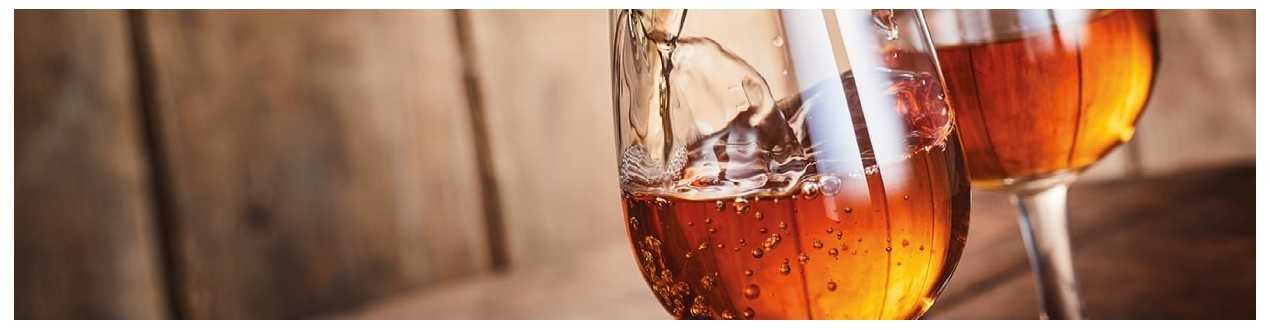
Sauternes generally displays a golden colour of varying intensity that can develop towards amber hues with age.
Aromas can include apricot, peach, honey, candied orange peel, flowers, spices and tropical fruit, with a profile that becomes increasingly complex during maturation.
On the palate, sweetness is supported by essential acidity that helps maintain balance, freshness and persistence.
Sauternes is produced in France and more precisely in the Bordeaux region, one of the world's most important wine territories.
The local climate and the presence of waterways can create particularly favourable conditions for the development of noble rot in suitable vintages.
This distinctive combination of terroir, climate and selective harvesting makes Sauternes one of France's most original sweet wines .
The defining element of Sauternes is Botrytis cinerea, which under specific climatic conditions develops on the grapes in the beneficial form known as noble rot.
Botrytis progressively dehydrates the berries, increasing the concentration of sugars, aromas and extract.
At the same time it profoundly transforms the aromatic profile of the grapes, contributing notes of honey, apricot, candied citrus, spices and saffron.
Sauternes production requires particularly selective harvesting. Grapes are not necessarily picked all at once because noble rot may develop unevenly even within the same bunch.
Harvesters may therefore make several passes through the vineyard, progressively selecting only berries that have reached the desired level of botrytisation.
This process contributes to the complexity of production and the low yields associated with the finest examples.
Sauternes is produced primarily from traditional Bordeaux white grape varieties, with Sémillon and Sauvignon Blanc playing central roles.
Sémillon is particularly susceptible to noble rot and can contribute structure, richness and ageing potential.
Sauvignon can add freshness, acidity and aromatic definition, helping balance the natural richness of the wine.
Sauternes and Bordeaux Blanc share part of Bordeaux's grape heritage but represent completely different styles.
Dry Bordeaux Blanc emphasises freshness, aromatic character and structure, while Sauternes is produced from botrytised grapes and is distinguished by concentration, sweetness and complexity.
Comparing the two demonstrates how the same grape varieties can express profoundly different characteristics depending on terroir, ripeness and production method.
Sauternes can be compared with other great sweet wines while retaining a distinctive identity based on noble rot.
Unlike wines produced primarily through grape drying, such as Passito di Pantelleria , Sauternes owes much of its character to the action of Botrytis cinerea.
These different methods can produce equally concentrated wines with profoundly different aromatic profiles and structures.
The balance between sugar, acidity and concentration makes Sauternes particularly suitable for ageing.
Over time, initial fruit and citrus aromas can develop towards honey, dried fruit, spices, saffron, caramel and increasingly complex nuances.
The finest bottles can develop remarkable depth and persistence while maintaining balance even after extended maturation.
Sauternes is traditionally paired with foie gras, blue cheeses, pastries and fruit-based desserts.
Its combination of sweetness, acidity and aromatic intensity can also make it interesting with savoury or mildly spicy preparations.
More complex examples can also be enjoyed on their own as contemplative wines.
Sauternes is generally served chilled but not excessively cold, allowing its aromatic profile to express itself fully while preserving balance.
A sufficiently wide glass helps the aromas develop and makes it easier to appreciate the complexity of mature wines.
Serving temperature can also be adjusted according to the age and structure of the wine.
Our selection of Sauternes includes bottles from different producers and vintages, chosen to showcase one of the great sweet wines of French tradition.
Our aim is to offer a choice suitable both for those discovering Sauternes and for enthusiasts interested in comparing producers, vintages and different stages of development.
Sauternes is a French sweet wine from Bordeaux produced from grapes affected by noble rot, characterised by aromatic concentration, sweetness and freshness.
Noble rot is a beneficial form of Botrytis cinerea that dehydrates the grapes and concentrates sugars and aromas, contributing to the distinctive character of Sauternes.
Sauternes is produced primarily from Sémillon and Sauvignon Blanc, together with other grape varieties permitted by the appellation.
It pairs well with foie gras, blue cheeses, pastries and fruit-based desserts, while more complex examples can also be enjoyed on their own.
|
Tipologia |
Bianco Dolce |
|
Regione: |
Bordeaux |
|
Alcol: |
13,00% in volume |
|
Formato: |
0,75 L Standard |
Contiene Solfiti - Contains Sulfites
|
Tipologia |
Passito Dolce |
|
Regione: |
Bordeax |
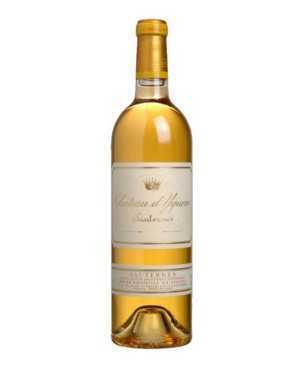
|
Alcol: |
14,00% in volume |
|
Formato: |
0,375 ml |
|
Tipologia |
Passito Dolce |
|
Regione: |
Bordeaux |
|
Alcol: |
14,00% in volume |
|
Formato: |
0,75 l |
Contiene solfiti - Contains sulfites
|
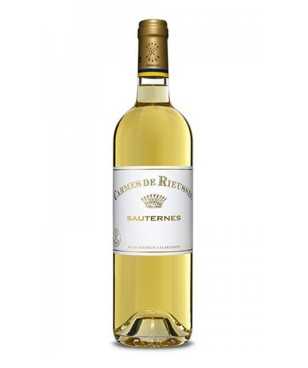
Tipologia |
Passito Dolce |
|
Regione: |
Bordeaux |
|
Alcol: |
14,00% in volume |
|
Formato: |
0,375 ml |
Contiene Solfiti - Containes Sulfites