Filter by
Price
Country - Region
Manufacturers
Formato

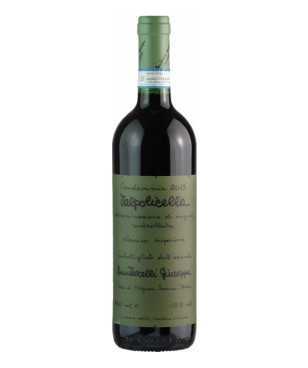
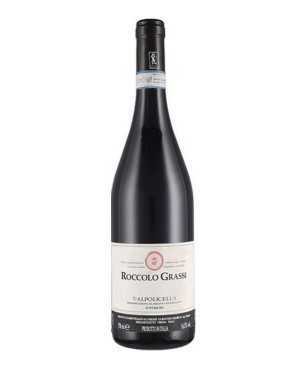
Valpolicella

Valpolicella: elegance, freshness and Veneto tradition

Valpolicella is one of Veneto's most important wine areas and produces red wines deeply connected with the territory around Verona. Corvina, Corvinone, Rondinella and other traditional grape varieties contribute to wines characterised by freshness, fruit and remarkable versatility.

In this category you will find a selection of Valpolicella wines from different producers, areas and vintages, ranging from young and fragrant interpretations to more structured and complex expressions.

Cherry, sour cherry, red berries, spices and herbs are among the most characteristic aromas, accompanied in more mature wines by balsamic notes, tobacco and tertiary nuances.

Characteristics of Valpolicella

Valpolicella wines generally display a ruby colour and an aromatic profile dominated by red fruit, with notes of cherry, sour cherry and berries accompanied by floral, spicy and herbal aromas.

On the palate they tend to combine freshness, drinkability and generally balanced tannins, while structure and intensity can vary considerably according to wine style and production choices.

This variety of styles allows Valpolicella to offer both approachable and versatile wines and deeper expressions suitable for ageing.

Valpolicella and Veneto

Valpolicella lies in the province of Verona, within Veneto , and is one of the region's most representative wine territories.

Its hilly landscape, varied exposures and diverse soils contribute to the different interpretations produced across the area.

The relationship between indigenous grape varieties, terroir and traditional winemaking techniques is one of the fundamental elements of Valpolicella's wine identity.

Corvina, Corvinone and Rondinella

Corvina is one of Valpolicella's fundamental grape varieties and is generally associated with cherry aromas, freshness and good structure.

Corvinone, Rondinella and other traditional grapes can complete the blends, contributing differently to structure, colour, aromatic character and ageing potential.

The relationship between these varieties and producer choices allows for very different styles while maintaining a recognisable territorial identity.

Valpolicella Classico

The term Classico identifies wines produced in the historic area of the appellation, a hilly territory traditionally associated with Valpolicella production.

Styles can emphasise freshness and immediate appeal or greater structure and complexity depending on producer, vineyard and vintage.

Classico therefore indicates a specific geographical origin within the appellation rather than a particular winemaking style.

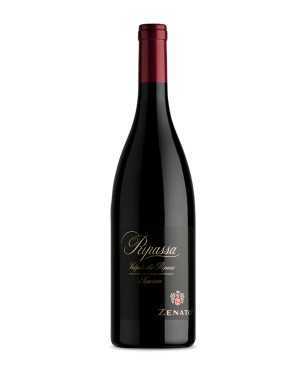
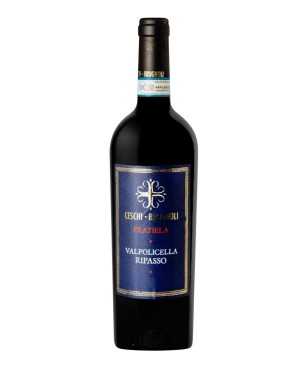
Valpolicella Ripasso

Valpolicella Ripasso is produced through a second fermentation or refermentation of Valpolicella wine in contact with grape skins left from the production of Amarone or Recioto.

This process can increase structure, intensity and complexity, giving the wine greater concentration and more mature aromatic characteristics.

Ripasso therefore represents a style positioned between the freshness of traditional Valpolicella and the greater power of wines produced from dried grapes.

Valpolicella and Amarone

The relationship between Valpolicella and Amarone is very close, but the wines differ significantly in production method, structure and style.

Amarone is produced from grapes that undergo a period of drying before fermentation, concentrating sugars, aromas and structure and resulting in generally richer and more powerful wines.

Traditional Valpolicella instead emphasises freshness, fruit and drinkability, offering a more immediate interpretation of the grape varieties and territory.

Valpolicella and grape drying

Grape drying is one of the most distinctive techniques associated with the Verona wine territory and is fundamental to the production of Amarone and Recioto.

Grapes are allowed to dehydrate after harvest, progressively increasing the concentration of sugars, aromas and extract.

Although it is not used for every Valpolicella style, grape drying has played a decisive role in the international reputation of the territory and in defining some of its most prestigious wines.

Valpolicella and other great Veneto reds

Valpolicella plays a central role in Veneto red wine production and is one of the most interesting territories for understanding the region's stylistic diversity.

From light and fragrant wines to Ripasso and more structured expressions, the same heritage of grape varieties can produce profoundly different wines.

Comparing the different styles helps reveal the influence of winemaking and maturation techniques on the finished wine.

Ageing and development of Valpolicella

Younger Valpolicella wines are generally designed to highlight freshness, fruit and immediate appeal, while more structured interpretations can benefit from longer periods of maturation.

With age, aromas of spices, herbs, tobacco, forest floor and balsamic nuances can emerge, while the tannic component gradually becomes more integrated.

Ageing potential naturally depends on the style, vintage, producer and storage conditions.

Food pairings with Valpolicella

Fresher Valpolicella styles pair well with cured meats, pasta dishes, white meats, lighter roasts and medium-aged cheeses.

More structured interpretations and Ripasso can accompany braised dishes, red meats, game, mushrooms and aged cheeses.

Il Quadrifoglio Wine selection

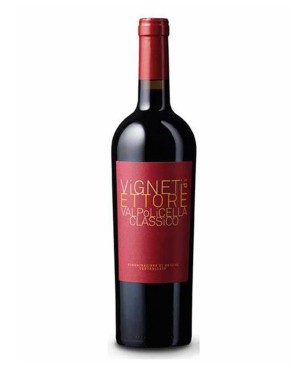
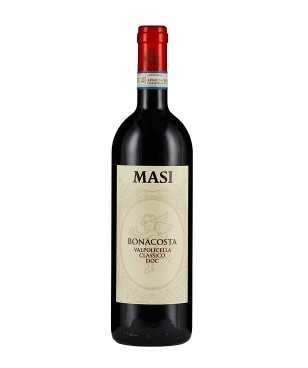
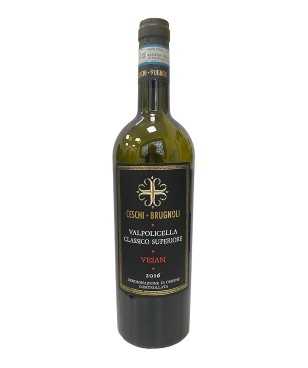
Our selection of Valpolicella includes bottles from different producers, areas and vintages, chosen to showcase the diversity and personality of one of Veneto's most important wine territories.

Our aim is to offer a choice suitable both for those looking for a fresh and versatile red wine and for enthusiasts interested in more structured, terroir-driven and age-worthy expressions.

Frequently asked questions about Valpolicella

What kind of wine is Valpolicella?

Valpolicella is a Veneto red wine produced primarily from traditional varieties such as Corvina, Corvinone and Rondinella, with styles ranging from fresh and fragrant wines to more structured interpretations.

What is the difference between Valpolicella and Amarone?

Traditional Valpolicella is made from normally vinified grapes, while Amarone is produced from grapes that undergo drying before fermentation, resulting in greater concentration, structure and intensity.

What is Valpolicella Ripasso?

Ripasso is a style produced by refermenting Valpolicella wine in contact with the grape skins left from Amarone or Recioto production, generally increasing structure and complexity.

What food pairs well with Valpolicella?

Fresher styles pair well with cured meats, pasta dishes and white meats, while more structured wines and Ripasso can accompany roasts, braised meats, game and aged cheeses.

You may also be interested in:

Valpolicella: elegant and distinctive red wines from Veneto | Il Quadrifoglio Wine
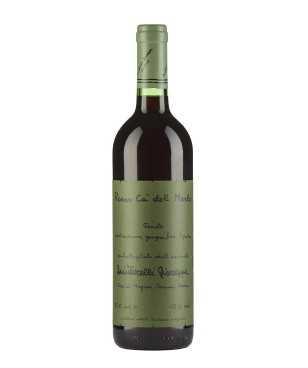
Giuseppe Quintarelli Rosso...
Quick view Quick View

Giuseppe Quintarelli Rosso Ca Del Merlo 2017

€89.90
Tipologia Rosso fermo
Classificazione: IGT Veneto
Regione: Veneto
Vitigni: Corvina e Corvinone 55%, Rondinella 30%, Cabernet Sauvignon, Cabernet Franc Nebbiolo, Croatina, Sangiovese 15%
Alcol: 13,50% in volume
Formato: 0,75 l Standard

Contiene Solfiti - Contains Sulfites