Filter by
Price
Country - Region
Manufacturers
Formato

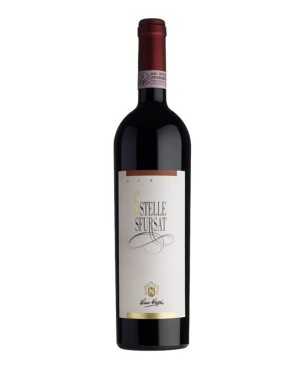
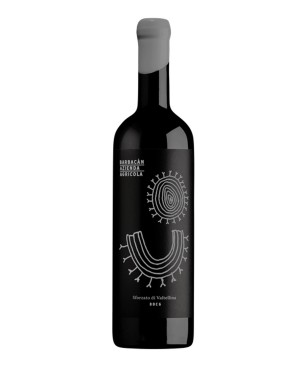
Sforzato

Sforzato: dried-grape Nebbiolo from Valtellina

Sforzato, also known as Sfursat, is one of the most distinctive wines of Valtellina, an Alpine wine region in Lombardy. It is produced primarily from Nebbiolo grapes, locally known as Chiavennasca, which undergo a period of drying before vinification.

In this category you will find a selection of Sforzato wines from different producers and vintages, characterised by concentration, structure and complexity while, in the finest interpretations, retaining the elegance and freshness typical of mountain-grown Nebbiolo.

Ripe red fruit, cherry, plum, spices, Alpine herbs and balsamic notes are among the aromas that can characterise Sforzato, accompanied with age by nuances of tobacco, leather and dried fruit.

Characteristics of Sforzato

Sforzato is a dry red wine characterised by structure, intensity and significant aromatic concentration. The drying process increases the concentration of the grapes and contributes to the production of rich and complex wines.

On the palate it can show body, warmth and substantial tannins, balanced in the finest interpretations by freshness and tension. The natural structure of Nebbiolo also contributes to the wine's ability to develop with age.

Although it shares the concentration created by grape dehydration with other wines made from dried grapes, Sforzato maintains a distinctive identity strongly connected to its grape variety and the Alpine environment of Valtellina.

Sforzato, Nebbiolo and Chiavennasca

Sforzato is based primarily on Nebbiolo, traditionally known in Valtellina as Chiavennasca. It is the same great Piedmontese grape responsible for appellations such as Barolo and Barbaresco, although the Alpine environment gives it distinctive characteristics.

Conditions in Valtellina can encourage expressions characterised by aromatic finesse, acidity and defined tannins, qualities that are particularly important in Sforzato for balancing the greater concentration obtained through grape drying.

The resulting wine is therefore markedly different from Piedmontese interpretations of the same grape while retaining recognisable varietal characteristics of Nebbiolo.

Valtellina and mountain viticulture

Valtellina is located in northern Lombardy and represents one of Italy's most distinctive mountain wine regions.

Vineyards extend across the valley's steep terraced slopes, where exposure, altitude, temperature variations and soil characteristics contribute significantly to the personality of the wines.

Cultivation on terraces supported by dry-stone walls makes vineyard work particularly demanding and is one of the defining features of Valtellina's wine landscape.

Drying the grapes

The defining characteristic of Sforzato is the drying of the grapes after harvest. The bunches are allowed to dehydrate for a period before vinification, losing part of the water contained in the berries.

This process concentrates sugars, aromatic compounds and other components of the grapes. Subsequent fermentation, however, results in a dry, rich and structured wine rather than a sweet wine.

Careful management of the drying and winemaking processes is essential to maintain balance between concentration, alcohol, tannins and freshness.

Sforzato and Amarone: what is the difference?

Sforzato and Amarone both involve the use of dried grapes, but they are produced from entirely different grape varieties and territories.

Amarone is associated with Valpolicella and its traditional Veneto grape varieties, while Sforzato is produced in Valtellina primarily from Nebbiolo. This results in different aromatic profiles, structures and characteristics on the palate.

Sforzato can retain marked tension, freshness and tannic structure despite its concentration, reflecting both the character of Nebbiolo and the conditions of Alpine viticulture.

Ageing and development of Sforzato

Sforzato's structure makes it well suited to ageing, and the finest interpretations can develop increasingly complex aromas over time.

Ripe fruit and spices can gradually give way to aromas of tobacco, leather, herbs, forest floor and balsamic nuances.

Ageing potential naturally depends on the producer, vintage, winemaking and storage conditions of the bottle.

Food pairings with Sforzato

Sforzato is particularly suitable for intense and structured dishes. It pairs well with roasts, braised meats, game, red meats and slow-cooked preparations.

It is also an excellent partner for mature and flavourful cheeses, including those of the Alpine tradition. More mature bottles can also be enjoyed on their own as a contemplative wine.

Il Quadrifoglio Wine selection

Our selection includes Sforzato wines from different producers and vintages, with bottles chosen to showcase the different interpretations of one of Valtellina's most original and prestigious wines.

Our aim is to offer a choice for enthusiasts of great structured red wines and for those wishing to discover one of the most distinctive expressions of Italian Nebbiolo.

Frequently asked questions about Sforzato

What kind of wine is Sforzato?

Sforzato is a dry red wine from Valtellina produced from grapes that undergo a period of drying. It is generally intense, structured and complex, with good ageing potential.

Which grape is used to make Sforzato?

Sforzato is produced primarily from Nebbiolo, traditionally known as Chiavennasca in Valtellina.

Is Sforzato a sweet wine?

No. Although it is produced from dried grapes, Sforzato is a dry red wine. The drying process is used to increase the concentration of the grapes before fermentation.

What is the difference between Sforzato and Amarone?

Both are produced using dried grapes, but Sforzato comes from Valtellina and is based primarily on Nebbiolo, while Amarone is produced in Valpolicella from traditional Veneto grape varieties.

You may also be interested in:

Sforzato di Valtellina DOCG: fine Italian red wines | Il Quadrifoglio Wine