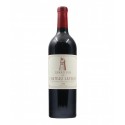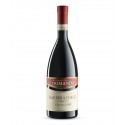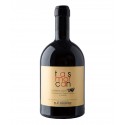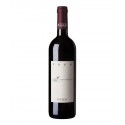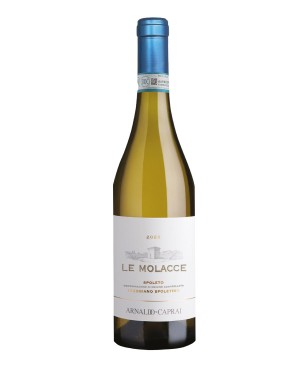
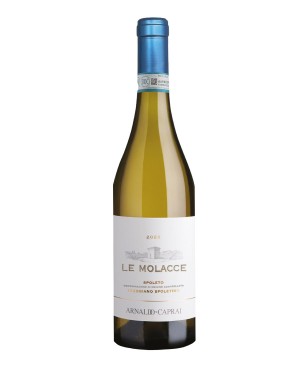
Arnaldo Caprai Le Molacce Trebbiano Spoletino DOC 2024
| Tipologia | Bianco |
| Classificazione: | DOC Trebbiano Spoletino |
| Regione: | Umbria |
| Vitigni: | 100% Trebbiano |
| Alcol: | 13,00% in volume |
| Formato: | 0,75 l Standard |
Trebbiano is one of the most important and widespread names in the history of Italian viticulture and refers to several grape varieties grown across numerous regions of the country. Traditionally appreciated for freshness and versatility, Trebbiano can produce remarkably different white wines depending on the specific variety, terroir and winemaking style.
In this category you will find a selection of Trebbiano wines from different producers and wine regions, ranging from young, fresh and approachable expressions to more structured and complex wines capable of highlighting the distinctive characteristics of their terroir.
From easy-drinking everyday wines to selections from particularly suitable vineyards, Trebbiano shows remarkable versatility and can produce wines characterised by freshness, savoury character, balance and interesting ageing potential.
The characteristics of Trebbiano can vary considerably because the name is associated with several grape varieties and different terroirs. In general, many wines belonging to the Trebbiano family are known for good acidity, freshness and a delicate aromatic profile.
Typical aromas can include citrus fruit, apple, pear, white flowers and herbs, sometimes accompanied by mineral and savoury nuances. Structure and intensity depend on the specific grape variety, vineyard conditions, grape ripeness and winemaking techniques.
When carefully produced from high-quality vineyards, Trebbiano can develop greater depth and complexity while retaining the freshness required for successful ageing.
The name Trebbiano encompasses several varieties found across numerous Italian regions. Some of the best-known names include Trebbiano Toscano, Trebbiano d’Abruzzo and Trebbiano Romagnolo, alongside other varieties and appellations closely connected to specific territories.
In Abruzzo, Trebbiano plays a central role in the Trebbiano d’Abruzzo appellation, while in Tuscany varieties belonging to this family have a long history and have traditionally been used in numerous regional wines.
The presence of Trebbiano across such diverse territories makes it impossible to define a single style. Soil, climate, altitude, vineyard yields and winemaking techniques can produce wines with significantly different characteristics.
Younger Trebbiano wines generally emphasise freshness, fragrance and drinkability, with winemaking techniques designed to preserve the character of the fruit and the natural acidity of the grapes.
Some producers instead use extended lees ageing, fermentation or maturation in oak and other techniques designed to increase structure and complexity. These interpretations demonstrate Trebbiano’s ability to go beyond the image of a simple and immediately approachable white wine.
Freshness and versatility make Trebbiano particularly suitable for the table. Young expressions pair well with appetisers, fish, shellfish, seafood, vegetables, risotto and delicate pasta dishes.
More structured Trebbiano wines can accompany elaborate fish dishes, white meats, cheeses and richer preparations, while fresher expressions can also be enjoyed as an aperitif.
Our selection includes Trebbiano wines from different producers, regions and vintages, with bottles chosen to represent the various interpretations of one of the most widespread grape families in the Italian winemaking tradition.
Our aim is to offer a choice suitable both for those looking for fresh and versatile Italian white wines and for enthusiasts interested in discovering more complex, terroir-driven and age-worthy expressions.
Trebbiano is generally associated with fresh white wines characterised by good acidity, although its profile can vary considerably depending on the specific grape variety, terroir and winemaking techniques.
No. The name Trebbiano is associated with several varieties grown across different Italian regions. Trebbiano Toscano, Trebbiano d’Abruzzo and Trebbiano Romagnolo are among the best-known names, but they do not necessarily identify the same grape variety.
Trebbiano is grown in numerous Italian regions, with particularly strong traditions in areas such as Abruzzo, Tuscany, Emilia-Romagna and other parts of central Italy.
Fresh styles pair well with fish, shellfish, vegetables, appetisers and delicate pasta dishes. More structured Trebbiano wines can also accompany elaborate fish dishes, white meats and cheeses.
| Tipologia | Bianco |
| Classificazione: | DOC Trebbiano Spoletino |
| Regione: | Umbria |
| Vitigni: | 100% Trebbiano |
| Alcol: | 13,00% in volume |
| Formato: | 0,75 l Standard |
| Tipologia | Bianco |
| Classificazione: | DOC Trebbiano Spoletino |
| Regione: | Umbria |
| Vitigni: | 100% Trebbiano |
| Alcol: | 13,00% in volume |
| Formato: | 0,75 l Standard |
|
Contiene solfiti - Contains sulfites