 All Wineries
 Our distribution
 All wines
 All red wines
 All italian regions
 All countries
 Champagne
 Classic Method
 All Sparkling Wines
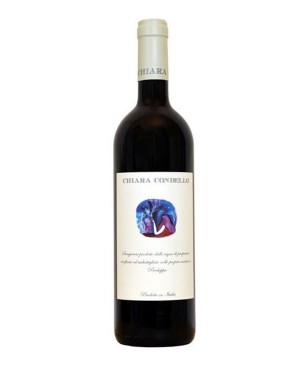
Chiara Condello Romagna Sangiovese Predappio DOC 2023 Biologico
€20.50
|
|||||||||||||
Emilia-Romagna wines reflect one of Italy's most diverse wine regions, where different terroirs, grape varieties and traditions produce red, white, semi-sparkling and sparkling wines. From the plains of Emilia to the hills of Romagna, the region encompasses profoundly different styles closely connected to its rich gastronomic culture.
In this category you will find a selection of Emilia-Romagna wines from different producers and wine-growing areas, from the many interpretations of Lambrusco to Sangiovese di Romagna and white wines made from Albana, Pignoletto, Malvasia and other varieties.
Freshness, versatility and a natural affinity with food are among the most recognisable characteristics of the region's wines, alongside more structured and complex expressions capable of showcasing their individual terroirs.
Wine production in Emilia-Romagna is extremely diverse. The character of the wines changes considerably from the plains to the hills and Apennine areas, as well as between the Emilian and Romagnan parts of the region.
Emilia is particularly associated with its tradition of semi-sparkling and sparkling wines, with Lambrusco among its best-known expressions. Romagna has a strong tradition of still wines, with Sangiovese among its principal red grapes and Albana one of its most distinctive white varieties.
Alongside traditional styles, contemporary interpretations increasingly highlight individual vineyards, native grape varieties and different winemaking techniques, demonstrating the complexity of a region that cannot be defined by a single wine style.
Lambrusco represents one of the grape families most closely associated with Emilia. Different varieties, including Lambrusco di Sorbara, Grasparossa and Salamino, can produce wines with very different colours, structures, aromatic profiles and levels of intensity.
In Romagna, Sangiovese plays a central role and can produce fresh and fruity wines as well as more structured and age-worthy expressions. Among the white grapes, Albana is one of the region's signature varieties and can be made in several different styles.
Other important varieties include Pignoletto, Malvasia di Candia Aromatica and Trebbiano Romagnolo, alongside further local and international grapes that contribute to the remarkable diversity of the region's wine production.
Lambrusco is one of the most distinctive expressions of the Emilian winemaking tradition. Rather than identifying a single grape or uniform wine style, the name encompasses different varieties and appellations capable of producing remarkably diverse wines.
Styles can range from fresh, fragrant and immediately approachable wines to more structured and complex expressions. Colour, tannins, aromatic intensity and residual sugar can vary considerably depending on the grape variety, appellation and choices of the producer.
Alongside Lambrusco, Emilia also produces important white and sparkling wines, including those based on Pignoletto and Malvasia, which are particularly well suited to the region's gastronomic traditions.
Romagna has its own distinctive winemaking identity, with Sangiovese as one of its principal varieties. Different soils, altitudes and vineyard exposures allow producers to create wines ranging from fresh and approachable to more structured and complex styles.
Among the white grapes, Albana plays a particularly important role. This historic regional variety is the foundation of Albana di Romagna DOCG and can produce dry, sweet and other styles that highlight its structure and distinctive personality.
Trebbiano Romagnolo and other varieties also contribute to local white wine production, completing a wine landscape closely connected to the diversity of the region's hills and Apennine areas.
A strong affinity with food is one of the defining qualities of the region's wines. Lambrusco and other sparkling styles are natural partners for cured meats, filled pasta, gnocco fritto and many of Emilia's richer dishes, thanks to their freshness and ability to accompany intensely flavoured foods.
Sangiovese di Romagna pairs well with pasta served with meat sauces, grilled or roasted meats and cheeses, while white wines can accompany appetisers, fish, fresh pasta, vegetables and cheeses depending on their structure.
Our selection includes Emilia-Romagna wines from different producers, territories and vintages, with bottles chosen to showcase the diversity of the region's wine production and the characteristics of its principal grape varieties.
Our aim is to offer a selection capable of representing the different identities of Emilia and Romagna, from traditional sparkling wines to more structured expressions, with bottles suitable for everyday dining, special occasions and dedicated tastings.
Some of the most representative wines include the different styles of Lambrusco, Sangiovese di Romagna, Albana di Romagna and wines made from Pignoletto, Malvasia and other traditional grape varieties.
Important varieties include the different Lambrusco grapes, Sangiovese, Albana, Pignoletto, Malvasia di Candia Aromatica and Trebbiano Romagnolo.
Emilia is particularly known for sparkling and semi-sparkling wines such as Lambrusco, as well as several white wines, while Romagna has a strong tradition of still wines based especially on Sangiovese and Albana. Both areas, however, encompass numerous terroirs and wine styles.
Sparkling wines pair particularly well with cured meats, filled pasta and flavourful dishes, while more structured reds accompany meats, rich pasta sauces and cheeses. White wines work well with appetisers, fish, vegetables and pasta dishes.
|
|||||||||||||
|
Tipologia |
Rosso |
|
Classificazione: |
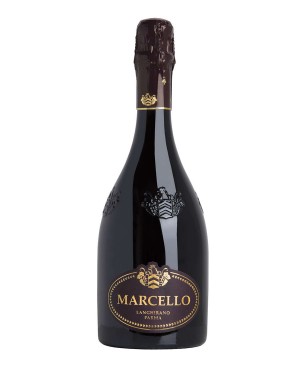
Lambrusco Parma IGP |
|
Regione: |
Emilia Romagna |
|
Vitigni: |
Lambrusco Maestri 100% |
|
Alcol: |
10,50% in volume |
|
Formato: |
0,75 l Standard |
|
Tipologia |
Rosso frizzante |
|
Anno: |
|
|
Classificazione: |
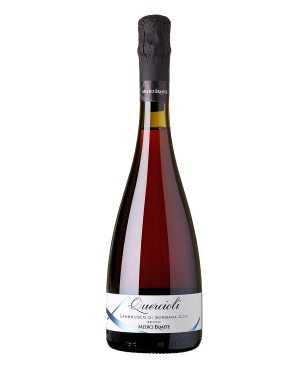
Lambrusco DOC Secco |
|
Regione: |
Emilia Romagna |
|
Vitigni: |
Lambrusco 100% |
|
Alcol: |
11% in volume |
|
Formato: |
0,75 l Standard |
Contiene solfiti - Contains sulfites
|
Tipologia |
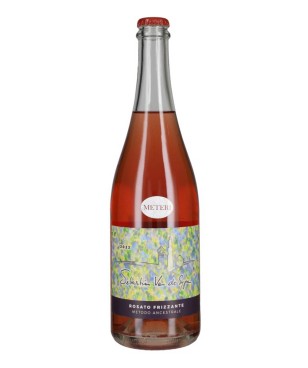
Rosato Ancestrale |
|
Anno: |
2022 |
|
Classificazione: |
Vino Rosato Frizzante |
|
Regione: |
Emilia Romagna |
|
Vitigni: |
Lambrusco Grasparossa 90%, Trebbiano 10% |
|
Alcol: |
11,5% in volume |
|
Formato: |
0,75 l Standard |
|
Tipologia |
Rosso |
|
Anno: |
2021 |
|
Classificazione: |
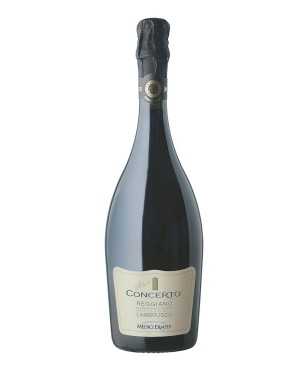
Lambrusco di Modena DOC |
|
Regione: |
Emilia Romagna |
|
Vitigni: |
Lambrusco di Sorbara 100% |
|
Alcol: |
12,50% in volume |
|
Formato: |
0,75 l Standard |
Contiene solfiti - Contains sulfites
|
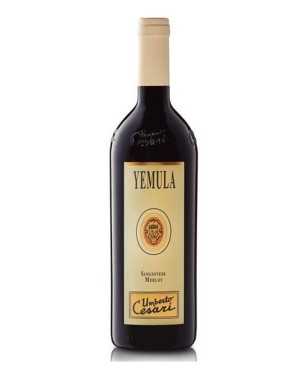
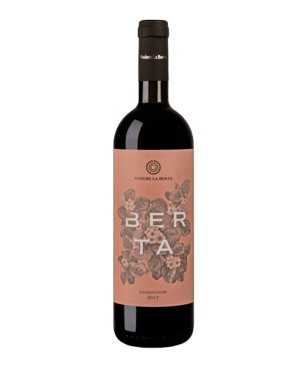
| Tipologia | Rosso fermo |
| Anno: | 2017 |
| Classificazione: | Sangiovese Merlot Rubicone IGT |
| Regione: | Emilia-Romagna |
| Vitigni: | 30% Merlot 70% Sangiovese |
| Alcol: | 13,50% in volume |
| Formato: | 0,75 l Standard |
|
Contiene solfiti - Contains sulfites |
|
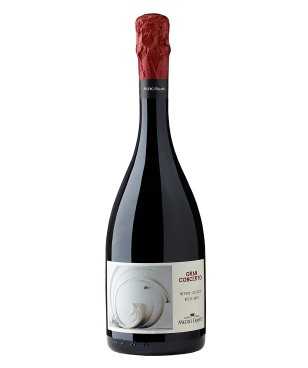
Tipologia |
Rosso |
|
Anno: |
2021 |
|
Classificazione: |
Spumante Brut Rosso Metodo Classico |
|
Regione: |
Emilia Romagna |
|
Vitigni: |
Lambrusco Salamino 100% |
|
Alcol: |
12,50% in volume |
|
Formato: |
0,75 l Standard |
Contiene solfiti - Contains sulfites
|
Contiene solfiti - Contains sulfites
|
| Tipologia | Rosso fermo |
| Classificazione: | Romagna |
| Regione: | Emilia Romagna |
| Vitigni: | 100%Sangiovese |
| Alcol: | 13,00% in volume |
| Formato: | 0,75 l Standard |
Contiene solfiti - Contains sulfites
|
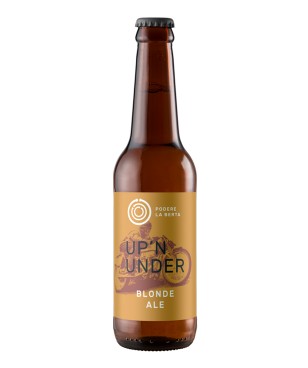
Tipologia |
Birra Blonde Ale |
|
Regione: |
Emilia Romagna |
|
Alcol: |
5,80% in volume |
|
Formato: |
0,75 l Standard |
Contiene solfiti - Contains sulfites
|
Contiene solfiti - Contains sulfites
|
Tipologia |
Rosso |
|
Anno: |
|
|
Classificazione: |
Lambrusco Emilia Igt |
|
Regione: |
Emilia Romagna |
|
Vitigni: |
100% Lambrusco |
|
Alcol: |
11,50% in volume |
|
Formato: |
0,75 l Standard |
Contiene solfiti - Contains sulfites