Filter by
Price
Country - Region
Manufacturers
Formato

Passito

Passito Wine: concentration, sweetness, and the art of grape drying

Passito Wine represents one of the most fascinating and ancient traditions in Italian winemaking. Crafted from grapes subjected to a partial natural drying process (either on the vine or in dedicated drying rooms), it stands out for its extraordinary concentration of natural sugars, intoxicating aromas, and rich structure.

In this category, you will find a curated selection of sweet Passito wines from Italy’s most famous terroirs: from Mediterranean islands producing Passito di Pantelleria to historic appellations in central and northern Italy. Our catalog includes expressions made from white and red grapes, perfect for dessert or slow sipping.

If you love fine sweet wines, you can also explore our category dedicated to Moscato d'Asti or discover our selection of sparkling wines.

How to choose a Passito Wine

Choosing a Passito wine means considering the grape variety, the drying method, and the aging process. The appassimento (drying) process can occur on the vine (late harvest / noble rot) or post-harvest on wooden racks and in ventilated crates, evaporating water while concentrating sugars and flavor compounds.

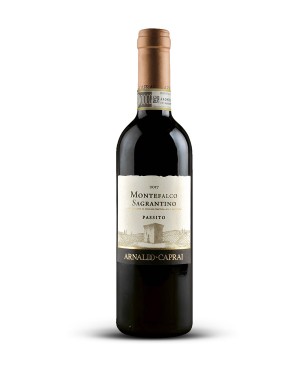
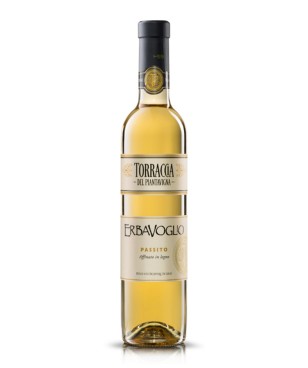
Passito wines from white grapes (such as Zibibbo, Moscato, Erbaluce, or Garganega) reveal golden hues and rich aromas of dried apricot, honey, figs, and candied citrus peel. Passito wines made from red grapes (such as Sagrantino or Aleatico) combine sweetness with red berry jam notes, warm spices, and a velvety tannic touch.

The key factor in a great Passito is vibrant acidity: it balances the high residual sugar, ensuring the wine remains fresh, harmonious, and never cloying on the palate.

Passito regions and appellations

Italy boasts a centuries-old heritage of dried-grape wines across its diverse regions. In the sunny South and Italian islands, sea breezes and intense sun foster natural outdoor drying, giving birth to iconic wines like Passito di Pantelleria DOC and Malvasia delle Lipari.

In Central and Northern Italy, indoor drying in specialized loft spaces (fruttai) defines legendary styles such as Tuscan Vin Santo, Veneto's Torcolato, and Piedmont's Erbaluce di Caluso Passito. In specific humid microclimates, Botrytis Cinerea (noble rot) infects grapes to produce botrytized wines of exceptional elegance.

Each terroir infuses its own character: maritime salinity from the islands, or crisp minerality and fresh acidity from hillside and alpine vineyards.

Characteristics and food pairings

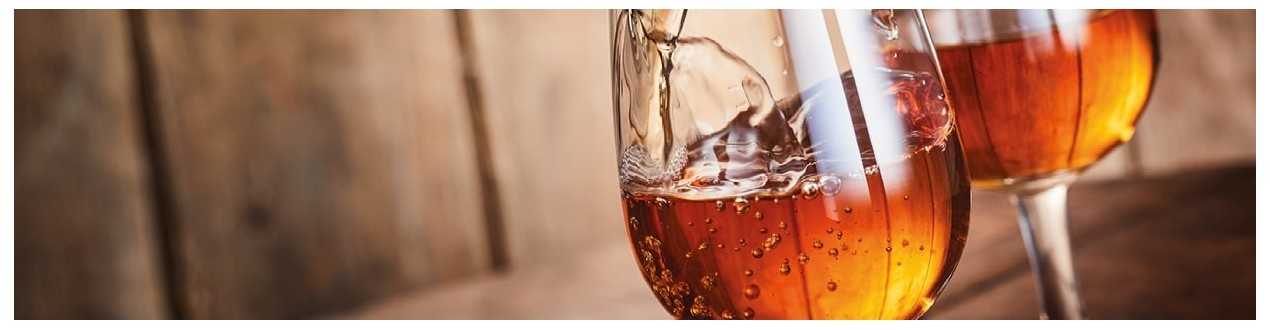
In the glass, Passito displays colors ranging from deep golden yellow and amber to dark ruby or garnet for red varieties. The bouquet is complex and multi-layered, showing notes of candied fruit, dates, toasted almonds, sweet spices, saffron, and honey.

On the table, it is the classic match for dry biscotti, traditional Italian pastries, fruit tarts, cream desserts, and dark chocolate. It also excels alongside mature or strong blue cheeses (such as Gorgonzola, Roquefort, or Stilton) and foie gras.

The selection at Il Quadrifoglio Wine

Our collection features the finest Italian Passito sweet wines, pairing legendary historic estates with small artisanal vignerons who preserve the meticulous hand craftsmanship required for grape drying. Every bottle is selected for its purity, aromatic depth, and authentic sense of origin.

The mission of Il Quadrifoglio Wine is to offer extraordinary dessert and meditation wines, perfect for concluding a fine dinner, gifting a prized bottle, or slowly enjoying by the fireside.

Frequently Asked Questions about Passito Wine

What is a Passito wine?

Passito is a sweet wine made from grapes that have undergone a drying process (appassimento) to reduce water content, concentrating natural sugars, acidity, and aromatic compounds prior to fermentation.

What is the difference between Late Harvest and Passito?

Late Harvest (Vendemmia Tardiva) means grapes are left to dry naturally on the vine past the normal harvest date. Passito usually involves harvesting the grapes and drying them indoors on racks or mats.

How should Passito wine be served?

It is best served slightly chilled between 10°C and 14°C (50°F – 57°F) in tulip-shaped dessert wine glasses. Serving it too cold dulls the complex aromas, while serving it too warm highlights the alcohol.

How long does an opened bottle of Passito last?

Thanks to its high concentration of sugar and alcohol, a re-corked bottle of Passito kept in the refrigerator will stay fresh and delicious for several weeks.

You might also be interested in:

Passito Wine: shop Italian sweet & meditation wines | Il Quadrifoglio Wine