Filter by
Price
Country - Region
Manufacturers
Formato

Blanc de Noir

Blanc de Noirs: structure, intensity and depth

Blanc de Noirs are Champagnes made exclusively from dark-skinned grapes vinified as white wine, primarily Pinot Noir and Meunier. This style is often distinguished by greater structure, aromatic intensity and depth compared with Champagnes made exclusively from white grapes.

In this category you will find a selection of Blanc de Noirs from historic maisons and independent growers, with cuvées ranging from fresh and approachable styles to more complex, vinous and age-worthy Champagnes.

If you enjoy French sparkling wines with a more assertive character, Blanc de Noirs represent one of the most distinctive expressions of Champagne, highlighting the personality of Pinot Noir, Meunier or a blend of the two.

What does Blanc de Noirs mean?

The French expression Blanc de Noirs literally means “white from blacks” and refers to a white Champagne made exclusively from dark-skinned grapes. The most widely used varieties are Pinot Noir and Meunier, vinified without prolonged contact between the juice and the grape skins.

Compared with Blanc de Blancs, which is generally associated with greater tension and minerality, Blanc de Noirs often offers more body, breadth and intensity. The final character still depends on grape variety, terroir, vintage and the winemaking choices of the house or grower.

Some Blanc de Noirs are made exclusively from Pinot Noir, others from Meunier, while some cuvées combine the two varieties. This difference can significantly influence both the aromatic profile and the structure of the wine.

Pinot Noir, Meunier and terroir

Pinot Noir is particularly important in areas such as the Montagne de Reims and Aube, where it can produce structured, deep and age-worthy Champagnes. Meunier, widely planted in the Vallée de la Marne, generally contributes fruit, roundness and a more immediate character.

Terroir, vineyard exposure, soil composition and viticultural practices strongly influence the character of the grapes and the final wine. Two Blanc de Noirs can therefore show very different personalities even within the same general style.

Some producers also create cuvées from individual crus or vineyard parcels, aiming to express the identity of a particular village or site with greater precision.

Characteristics and food pairings

Blanc de Noirs can offer aromas of ripe fruit, apple, pear, red berries, subtle spices and pastry notes. More mature examples may develop nuances of nuts, toasted bread and additional layers of complexity.

Their greater structure makes them particularly versatile at the table. They can pair well with cured meats, white meats, richer fish dishes, mushrooms, cheeses and more substantial preparations than those usually associated with lighter Champagne styles.

Il Quadrifoglio Wine selection

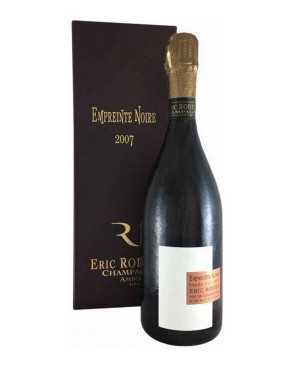
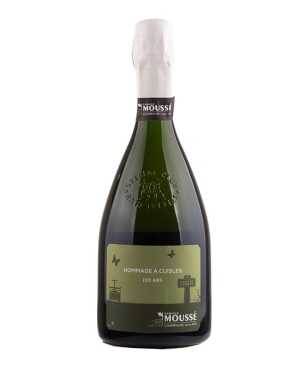
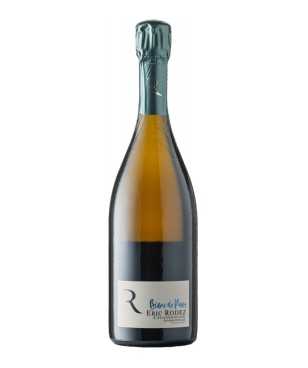
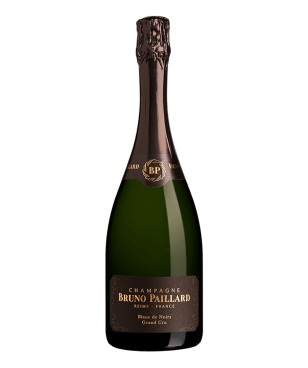
Our selection includes Blanc de Noirs from historic Champagne houses and independent growers, with cuvées highlighting Pinot Noir, Meunier or blends of the two through different winemaking interpretations.

Our aim is to offer a selection suitable both for those discovering this style and for enthusiasts looking for specific producers, crus, vintages or Champagnes with a more structured and vinous profile.

Frequently asked questions about Blanc de Noirs

What does Blanc de Noirs Champagne mean?

It means that the Champagne has been made exclusively from dark-skinned grapes vinified as white wine, primarily Pinot Noir and Meunier.

What is the difference between Blanc de Noirs and Blanc de Blancs?

Blanc de Noirs is made from dark-skinned grapes, while Blanc de Blancs is made exclusively from white grapes. Blanc de Noirs tends to be more structured and intense, while Blanc de Blancs is often more precise, fresh and mineral.

Which grapes are used for Blanc de Noirs?

The main grapes are Pinot Noir and Meunier. A Blanc de Noirs can be made from either variety alone or from a blend of the two.

What food pairs well with Blanc de Noirs?

Thanks to its structure, Blanc de Noirs pairs well with cured meats, white meats, richer fish dishes, mushrooms, cheeses and a wide range of medium-intensity dishes.

You may also be interested in: