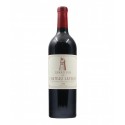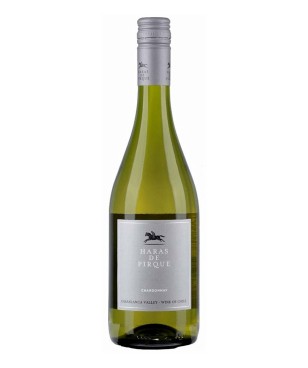
Haras de Pirque Chardonnay 2025 Cile
|
Tipologia |
Bianco |
|
Regione: |
Casablanca Valley (Cile) |
|
Vitigni: |
100% Chardonnay |
|
Alcol: |
13,00% in volume |
|
Formato: |
0,75 l Standard |
Contiene solfiti - Contains sulfites
Chilean wines represent one of the most important expressions of South American viticulture. The country's distinctive geography, stretching along a narrow strip of land between the Andes Mountains and the Pacific Ocean, creates remarkably diverse climatic and environmental conditions.
In this category you will find a selection of Chilean wines from different producers and regions, from great Cabernet Sauvignon and distinctive Carménère to Chardonnay, Sauvignon Blanc, Pinot Noir and other grape varieties grown throughout the country's many wine regions.
Maipo Valley, Colchagua Valley, Casablanca Valley and Aconcagua are among the best-known territories in a wine industry capable of combining intensity, elegance, regional identity and modern winemaking.
Chile offers a remarkable variety of wine-growing conditions. Latitude, altitude, proximity to the ocean and the influence of the Andes create different microclimates, allowing producers to cultivate numerous red and white grape varieties.
Red wines can range from rich, ripe and structured expressions to fresher and more elegant styles. White wines include fragrant and approachable bottles alongside more complex expressions, particularly influenced by the conditions found in cooler and coastal areas.
This diversity makes it impossible to define Chilean wine through a single style: each region and grape variety can offer distinctive characteristics, further shaped by the choices of individual producers.
Cabernet Sauvignon plays a central role in Chilean viticulture and is used to produce a wide range of red wines, from approachable expressions to bottles of considerable structure, complexity and ageing potential.
Carménère has become one of the grape varieties most closely associated with Chile. Originally from Bordeaux, it has found particularly favourable conditions in the South American country and is now one of the most distinctive varieties in Chilean wine production.
Merlot, Syrah and Pinot Noir complete the range of major red varieties, while Sauvignon Blanc and Chardonnay are particularly important among white grapes, alongside other varieties cultivated across the country's different regions.
Chilean Cabernet Sauvignon can develop different profiles according to terroir, but characteristic expressions often display dark fruit, structure, tannins and spicy or balsamic notes. Some of the country's best-known examples come from the valleys of central Chile.
Carménère tends to produce wines characterised by ripe fruit, spices and distinctive herbal notes, which can vary according to grape ripeness and the producer's winemaking style.
Both varieties can be vinified on their own or blended with other Bordeaux grapes, producing wines that can offer considerable structure and ageing potential.
Maipo Valley is one of Chile's historic and best-known wine regions and is particularly associated with Cabernet Sauvignon. Different parts of the valley produce distinctive wines according to altitude and climatic influences.
Colchagua Valley is especially renowned for red wines and is home to important Cabernet Sauvignon, Carménère and Syrah production. Differences in climate and soils contribute to the variety of styles found throughout the region.
Aconcagua, Cachapoal and other valleys of central Chile complete a diverse wine landscape in which individual terroirs play an increasingly important role.
Casablanca Valley is one of the Chilean regions most closely associated with cool-climate wines. The influence of the Pacific Ocean helps moderate temperatures and creates favourable conditions particularly for Sauvignon Blanc, Chardonnay and Pinot Noir.
Other coastal areas of Chile have also developed wine production focused on freshness and elegance, revealing a different side of the country compared with the riper and more structured red wines of inland regions.
The diversity of Chilean wine offers numerous food-pairing possibilities. Cabernet Sauvignon, Carménère and other structured reds pair well with red meats, roasts, barbecue, game and mature cheeses.
Sauvignon Blanc and Chardonnay can accompany fish, shellfish, vegetables and white meats depending on their style, while fresher Pinot Noir wines work particularly well with delicate dishes, mushrooms, salmon and white meats.
Our selection includes Chilean wines from different producers, territories and vintages, with bottles chosen to showcase the diversity and quality of one of South America's most important wine-producing countries.
Our aim is to offer a choice suitable both for those discovering Chilean wine through its most representative grape varieties and for enthusiasts interested in comparing different regions, producers and winemaking styles.
Chile is particularly renowned for wines made from Cabernet Sauvignon and Carménère, but the country also produces important Merlot, Syrah, Pinot Noir, Sauvignon Blanc and Chardonnay wines.
Carménère is now considered one of Chile's signature grape varieties. Originally from Bordeaux, it was long mistaken for Merlot in Chile before its true identity was correctly recognised.
Some of the best-known areas include Maipo Valley, Colchagua Valley, Casablanca Valley, Aconcagua and Cachapoal, alongside numerous other wine-growing territories distributed throughout the country.
Cabernet Sauvignon and Carménère pair well with meats, roasts, barbecue and cheeses, while Sauvignon Blanc and Chardonnay can accompany fish, shellfish, vegetables and white meats.
|
Tipologia |
Bianco |
|
Regione: |
Casablanca Valley (Cile) |
|
Vitigni: |
100% Chardonnay |
|
Alcol: |
13,00% in volume |
|
Formato: |
0,75 l Standard |
Contiene solfiti - Contains sulfites
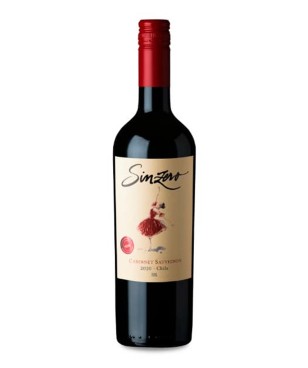
| Tipologia | Bianco |
| Classificazione: | Bianco Secco |
| Regione: | Spagna Catalunya |
| Vitigni: | |
| Alcol: | 12% in volume |
| Formato: | 0,75 l Standard |
Contiene solfiti - Contains sulfites
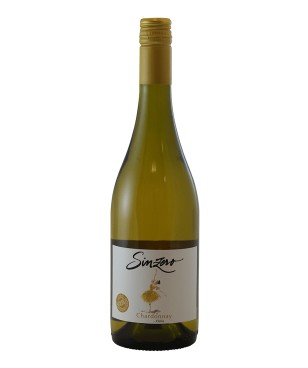
|
Tipologia |
Vino dealcolato |
|
Regione: |
Cile |
|
Vitigni: |
100% Cabernet Sauvignonc |
|
Alcol: |
00% in volume |
|
Formato: |
0,75 l Standard |
Contiene solfiti - Contains sulfites
|
Tipologia |
Vino dealcolato |
|
Regione: |
Cile |
|
Vitigni: |
100% Chardonnay |
|
Alcol: |
00% in volume |
|
Formato: |
0,75 l Standard |
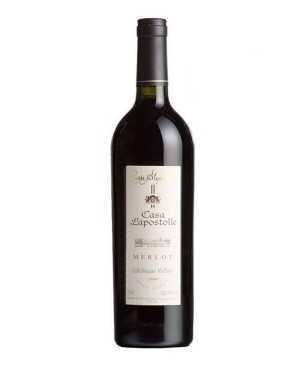
| Tipologia | Rosso |
| Classificazione: | Cuvée Alexandre |
| Regione: | Cile |
| Vitigni: | Merlot |
| Alcol: | 15,00% in volume |
| Formato: | 0,75 l Standard |
Contiene solfiti - Contains sulfites
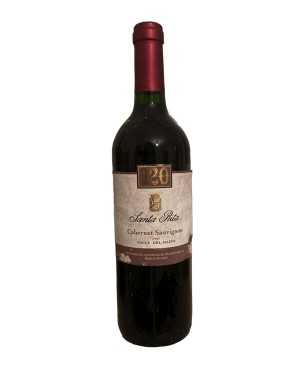
|
Tipologia |
Rosso |
|
Regione: |
Maipo Valley (Cile) |
|
Vitigni: |
100% Cabernet Sauvignonc |
|
Alcol: |
13,50% in volume |
|
Formato: |
0,75 l Standard |
Contiene solfiti - Contains sulfites
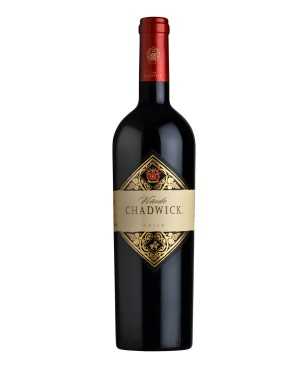
|
Tipologia |
Rosso |
|
Classificazione: |
Blend Red |
|
Regione: |
Cile |
|
Vitigni: |
Cabernet Sauvignon 97%, Petit Verdot 3% |
|
Alcol: |
14,50% in volume |
|
Formato: |
0,75 l Standard |
Contiene solfiti - Contains sulfites