Filter by
Price
Country - Region
Manufacturers
Formato

Rosé Wines

Rosé Wines: freshness, food versatility, and shades of pink

Rosé Wines represent one of the most eclectic and rapidly growing categories in the global wine scene. Crafted through short skin maceration of red grape varieties, they skillfully combine the crisp freshness and drinkability of white wines with the structure, fruity aromas, and subtle complexity of red wines.

In this category, you will find a curated selection of fine Italian and international rosé wines: from bright Cerasuolo d'Abruzzo to iconic Puglian bottles made from Negroamaro and Primitivo, alongside refined rosés from Provence, Lake Garda, and Tuscany. Our catalog features vibrant young wines as well as structured, highly gastronomic expressions.

If you love fresh and versatile wines to pair with your meals, you can also explore our categories dedicated to white wines and sparkling wines.

How to choose a Rosé Wine

Choosing the ideal rosé wine means evaluating color intensity, grape variety of origin, terroir, and winemaking techniques. A common misconception is treating rosé as an "intermediate" wine style: in reality, it is a precise winemaking art that demands immense skill and sensitivity in the cellar.

Rosés with a pale pink or onion-skin hue (typical of Provence, Bardolino, or Salento) offer delicate aromas of dog rose, citrus, pomegranate, and a distinct mineral, saline edge—perfect for aperitifs or light dishes. Rosés displaying a cherry-pink or pale ruby color (such as Cerasuolo d'Abruzzo) deliver intense aromas of ripe cherry and strawberry alongside a warmer, fuller-bodied structure.

The key element to seek in a great rosé is harmony between crisp acidity, savory minerality, and fruit softness, ensuring a sip that remains dynamic and refreshing.

Great Rosé Wine terroirs

The production of world-class rosé wines boasts historic regions in Italy and abroad. Puglia, particularly the Salento peninsula, is considered the historic cradle of Italian rosé, where Negroamaro and Primitivo grapes yield bottles of exceptional elegance and fragrance.

In Abruzzo, Cerasuolo d'Abruzzo DOC stands out as a unique appellation celebrated for character, depth, and ageability, thanks to the Montepulciano grape. Along the shores of Lake Garda, Chiaretto di Bardolino and Valtènesi appellations excel in floral perfume and vibrant freshness.

Internationally, Provence remains the global benchmark for pale, elegant, and cosmopolitan rosés, ideal for pairing with seafood cuisine.

Characteristics and food pairings

Rosé wine is undoubtedly one of the ultimate champions of versatility at the table, solving complex pairings where a white wine might feel too light and a red wine too heavy.

It shines as an aperitif wine alongside cured meats and fresh or medium-aged cheeses. Its natural pairing lies in seafood cuisine: fish stews, bouillabaisse, salmon, tuna, shellfish, and seafood risottos. It also pairs magnificently with pizza, tomato-based dishes, vegetable pastas, and delicate white meats.

The selection at Il Quadrifoglio Wine

Our offering includes rosé wines that represent the finest expressions of this style, from internationally recognized classics to boutique artisanal productions crafted from native grape varieties.

The mission of Il Quadrifoglio Wine is to elevate the dignity and elegance of rosé wine, offering bottles suitable for every season—from warm summer days to year-round convivial lunches.

Frequently Asked Questions about Rosé Wines

How is rosé wine produced?

Rosé wine is made from red grapes by allowing a brief maceration of the grape must with the skins (ranging from a few hours to overnight). Once the desired color and subtle tannins are extracted, the skins are separated and fermentation continues "off the skins" like a white wine. In Europe, blending finished white and red wines to make rosé is prohibited (with the exception of certain sparkling wines and Champagne).

What is the ideal serving temperature for rosé wine?

Serve lighter, crisper rosés between 8°C and 10°C (46°F – 50°F), while richer, more structured versions (such as Cerasuolo) should be served between 10°C and 12°C (50°F – 54°F) in medium-sized wine glasses.

Should rosé wine be consumed young?

Most rosés are best enjoyed within 1 to 2 years of vintage to appreciate their youthful freshness. However, structured and aged reserve rosés can evolve beautifully in the bottle for several years.

What is the difference between pale rosé and cerasuolo?

The difference lies mainly in maceration time and grape skin characteristics: pale pink rosés result from very short skin contact with grapes containing fewer pigments, while cerasuolo comes from longer contact with color-rich skins like Montepulciano.

You might also be interested in:

Rosé Wines: Italian & international rosé selections | Il Quadrifoglio Wine
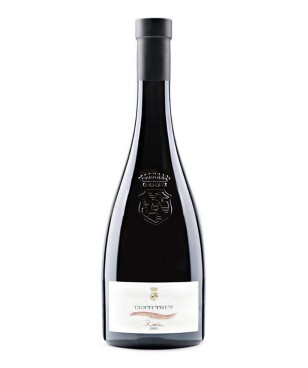
Conti Thun Rosa Vino Rosato...
  • -15%
Quick view Quick View

Conti Thun Rosa Vino Rosato 2019 ...

€18.70 €22.00 -15%
Tipologia Rosato Fermo
Regione: Lombardia
Vitigni: Groppello, Sangiovese e Barbera
Alcol: 13,00% in volume
Formato: 0,75 l Standard


Contiene Solfiti - Contains Sulfites