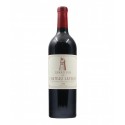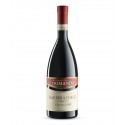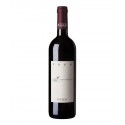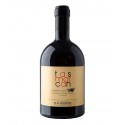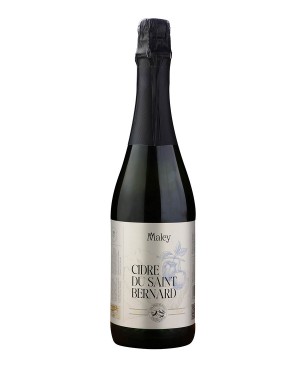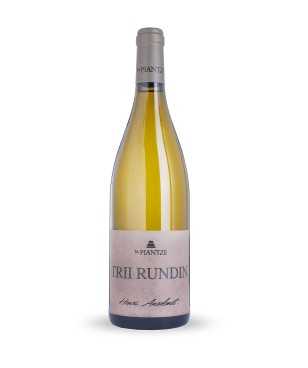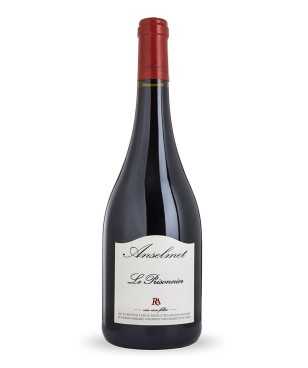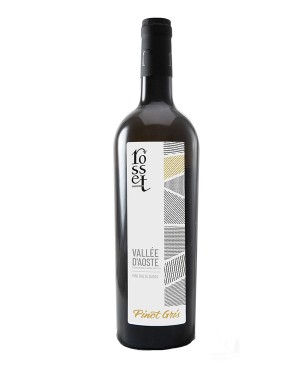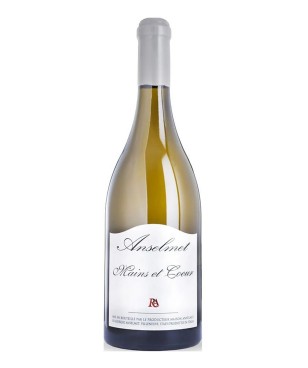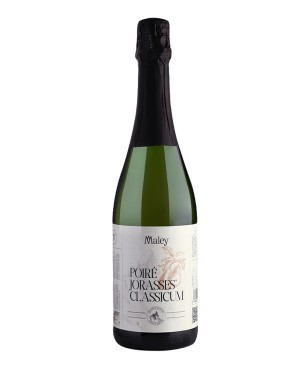
Maley Poiré Jorasses Classicum Methode Ancestrale Sidro di Pere Dolce
|
Contiene solfiti - Contains sulfites
The Aosta Valley is one of Italy's most distinctive wine regions, characterised by mountain vineyards, pronounced temperature variations and wines deeply connected with the Alpine environment.
In this category you will find a selection of Aosta Valley wines from different producers, territories and vintages, ranging from fresh and mineral whites to elegant and spicy reds.
Petit Rouge, Petite Arvine, Nebbiolo, Pinot Noir and other grape varieties contribute to a unique wine landscape in which altitude, exposure and demanding climatic conditions play a decisive role.
Aosta Valley viticulture develops along the valley floor and on mountain slopes, often on steep terraces that make vineyard work particularly demanding.
High elevations and significant day-night temperature variations encourage slow grape ripening and help preserve freshness in both white wines and red wines .
Regional production is relatively limited in volume but particularly interesting for its strong territorial identity and wide range of indigenous grape varieties.
The Aosta Valley is often associated with heroic viticulture, as many vineyards are cultivated under difficult conditions on steep slopes and at significant elevations.
Mechanisation is often limited and many vineyard operations must be carried out manually, increasing the effort required to manage the vines.
These conditions nevertheless contribute to wines deeply connected with the landscape and the specific characteristics of individual territories.
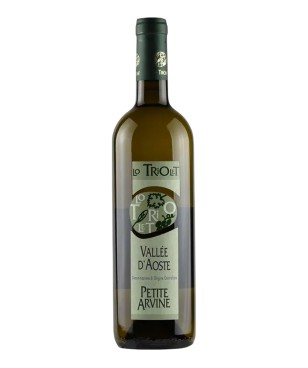
Among the most interesting white varieties is Petite Arvine , capable of producing fresh, savoury wines with a well-defined aromatic profile.
Its aromas can include citrus fruit, white flowers, herbs and mineral notes, often accompanied by pronounced tension on the palate.
More structured interpretations can develop greater complexity with age while retaining good freshness.
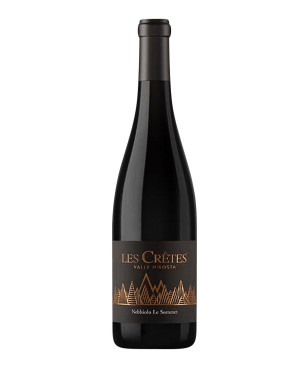
Nebbiolo also finds a place in the Aosta Valley, where it can develop characteristics different from its Piedmontese expressions.
Altitude and Alpine climate can encourage wines characterised by freshness, red-fruit aromas, floral notes and elegant tannins.
Aosta Valley interpretations demonstrate how significantly the same grape variety can change according to terroir and growing conditions.
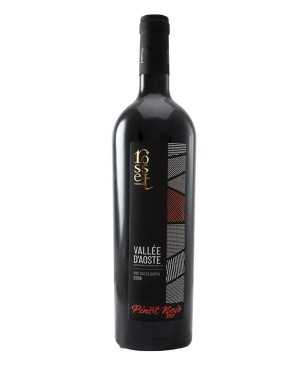
Pinot Noir finds interesting conditions in cooler, higher-altitude areas, where it can develop elegant and refined profiles.
Alongside indigenous grapes, several international varieties are also cultivated and interpreted through the region's distinctive Alpine context.
This contributes to a diverse range of wines while maintaining a strong territorial coherence.
One of the most interesting aspects of the Aosta Valley is the presence of numerous local grape varieties, many of which are rarely found outside the region.
These grapes represent an important viticultural heritage and make it possible to produce wines that are difficult to compare directly with those of other Italian regions.
The appreciation of indigenous varieties is therefore essential to understanding the identity and uniqueness of Aosta Valley wine production.
Alpine climate is one of the central elements of regional viticulture. Cooler temperatures and significant day-night temperature variations can encourage slow and balanced ripening.
These conditions help preserve acidity and promote precise aromatic development, particularly in vineyards located at higher elevations.
Vineyard exposure also plays an important role in determining ripening times and the final characteristics of the grapes.
Aosta Valley wines can be interesting to compare with those from other mountain territories such as Alto Adige and Trentino .
Although these areas share Alpine conditions, differences in elevation, exposure, grape varieties and local traditions produce very different wine identities.
Comparing them provides an opportunity to explore different expressions of Italian mountain viticulture.
Fresher whites pair well with fish, fresh cheeses, vegetables and delicate pasta dishes, while more structured versions can accompany richer preparations.
Aosta Valley reds are particularly suitable for cured meats, meat, mushrooms and medium-aged cheeses, with pairings that can also reflect traditional Alpine cuisine.
Our selection of wines from the Aosta Valley includes bottles from different producers, territories and grape varieties, chosen to showcase the personality of the region's Alpine viticulture.
Our aim is to offer a choice suitable both for those wishing to discover fresh and elegant mountain wines and for enthusiasts interested in indigenous grape varieties and strongly terroir-driven expressions.
The region produces numerous wines from both indigenous and international grape varieties, including Petite Arvine, Nebbiolo, Pinot Noir and several local varieties.
Many vineyards are located on steep slopes and at high elevations, where mechanisation is difficult and much of the work has to be carried out manually.
They are often characterised by freshness, aromatic precision and a strong sense of place shaped by Alpine conditions and significant temperature variations.
White wines pair well with fish, vegetables and fresh cheeses, while reds work well with cured meats, meat, mushrooms and medium-aged cheeses.
|
Contiene solfiti - Contains sulfites
|
| Tipologia | Bianco fermo |
| Classificazione: | Valle D'Aosta DOC |
| Regione: | Valle D'Aosta |
| Vitigni: | 100% Pinot Grigio |
| Alcol: | 13,50% in volume |
| Formato: | 0,75 l Standard |
|
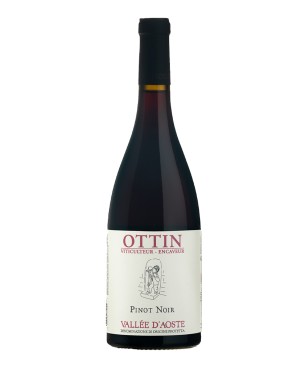
Tipologia |
Rosso |
|
Classificazione: |
DOC Valle d'Aosta |
|
Regione: |
Valle d'Aosta |
|
Vitigni: |
100% Pinot noir |
|
Alcol: |
13,00% in volume |
|
Formato: |
0,75 l Standard |
Contiene Solfiti - Containes Sulfites
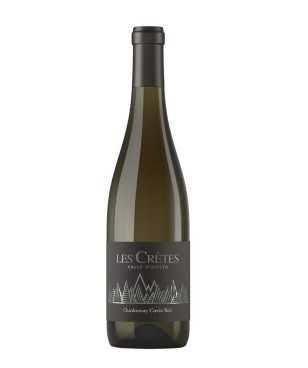
| Tipologia | Bianco |
| Classificazione | DOC Valle d'Aosta Chardonnay |
| Regione: | Valle d'Aosta |
| Vitigni: | Chardonnay |
| Alcol: | 14,00% in volume |
| Formato: | 0,75 l Standerd |
Contiene solfiti - Contains sulfites
|
Tipologia |
Bianco |
|
Classificazione: |
DOC Valle d'Aosta |
|
Regione: |
Valle d'Aosta |
|
Vitigni: |
100% petite arvine |
|
Alcol: |
13,00% in volume |
|
Formato: |
0,75 l Standard |
Contiene solfiti - Contains sulfites
|
Tipologia |
Rosso |
|
Classificazione: |
DOP Valle d'Aosta |
|
Regione: |
Valle d'Aosta |
|
Vitigni: |
Nebbiolo |
|
Alcol: |
14,00% in volume |
|
Formato: |
0,75 l Standard |
Contiene solfiti - Contains sulfites
|
Tipologia |
Bianco |
|
Classificazione: |
Vino Bianco |
|
Regione: |
Valle d'Aosta |
|
Vitigni: |
100% petite arvine |
|
Alcol: |
14,50% in volume |
|
Formato: |
0,75 l Standard |
Contiene solfiti - Contains sulfites
| Tipologia | Rosso fermo |
| Classificazione | Valle d'Aosta DOC |
| Regione: | Valle d'Aosta |
| Vitigni: | 100% Pinot Nero |
| Alcol: | 14,00% in volume |
| Formato: | 0,75 l Standerd |
Contiene Solfiti - Containes Sulfites
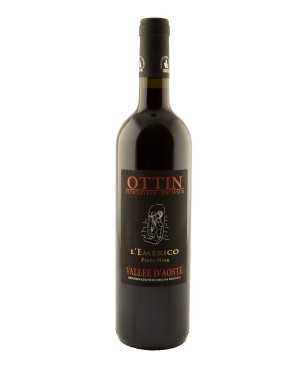
Tipologia | Rosso |
Classificazione: | DOC Valle d'Aosta |
Regione: | Valle d'Aosta |
Vitigni: | 100% Pinot noir |
Alcol: | 13,00% in volume |
Formato: | 0,75 l Standard |
Contiene Solfiti - Containes Sulfites
|
Tipologia |
Rosso |
|
Classificazione: |
DOC Valle d'Aosta |
|
Regione: |
Valle d'Aosta |
|
Vitigni: |
Pinot Nero 100% |
|
Alcol: |
14,50% in volume |
|
Formato: |
0,75 l Standard |
Contiene Solfiti - Contains Sulfites
|
Contiene solfiti - Contains sulfites
|
Tipologia |
Rosso |
|
Classificazione: |
DOP Valle d'Aosta |
|
Regione: |
Valle d'Aosta |
|
Vitigni: |
Nebbiolo |
|
Alcol: |
14,00% in volume |
|
Formato: |
0,75 l Standard |
Contiene solfiti - Contains sulfites
|
Tipologia |
Bianco |
|
Anno: |
2024 |
|
Classificazione: |
DOC Valle d'Aosta |
|
Regione: |
Valle d'Aosta |
|
Vitigni: |
100% Chardonnay |
|
Alcol: |
14,50% in volume |
|
Formato: |
0,75 l Standard |
Contiene solfiti - Contains sulfites
|
Contiene solfiti - Contains sulfites
|
Tipologia |
Rosso |
|
Classificazione: |
Vino Rosso |
|
Regione: |
Valle d'Aosta |
|
Vitigni: |
100% Pinot Noir |
|
Alcol: |
13,00% in volume |
|
Formato: |
0,75 l Standard |
Contiene solfiti - Contains sulfites
|
Tipologia |
Bianco |
|
Anno: |
2022 |
|
Classificazione: |
DOC Valle d'Aosta |
|
Regione: |
Valle d'Aosta |
|
Vitigni: |
100% Chardonnay |
|
Alcol: |
14,50% in volume |
|
Formato: |
0,75 l Standard |
Contiene solfiti - Contains sulfites
|
Contiene solfiti - Contains sulfites
|
Tipologia |
Bianco |
|
Classificazione: |
DOC Valle d'Aosta |
|
Regione: |
Valle d'Aosta |
|
Vitigni: |
100% Chardonnay |
|
Alcol: |
13,00% in volume |
|
Formato: |
0,75 l Standard |
Contiene Solfiti - Containes Sulfites
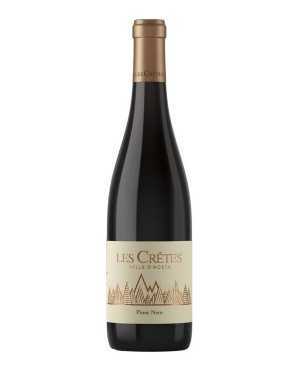
|
Tipologia |
Bianco |
|
Anno: |
2021 |
|
Classificazione: |
DOC Valle d'Aosta |
|
Regione: |
Valle d'Aosta |
|
Vitigni: |
100% Chardonnay |
|
Alcol: |
13,00% in volume |
|
Formato: |
0,75 l Standard |
Contiene solfiti - Contains sulfites
|
Tipologia |
Bianco |
|
Classificazione: |
Vino Bianco |
|
Regione: |
Valle d'Aosta |
|
Vitigni: |
100% petite arvine |
|
Alcol: |
13,00% in volume |
|
Formato: |
0,75 l Standard |
Contiene solfiti - Contains sulfites
|
Tipologia |
Metodo Classico |
|
Classificazione: |
DOP Valle d'Aosta |
|
Regione: |
Valle d'Aosta |
|
Vitigni: |
100% Prie bianc |
|
Alcol: |
12,00% in volume |
|
Formato: |
0,75 l Standard |
Contiene Solfiti - Contains Sulfites
|
Tipologia |
Bianco |
|
Classificazione: |
Vino Bianco |
|
Regione: |
Valle d'Aosta |
|
Vitigni: |
100% Chardonnay |
|
Alcol: |
14,00% in volume |
|
Formato: |
0,75 l Standard |
Contiene solfiti - Contains sulfites
|
Tipologia |
Bianco |
|
Classificazione: |
DOC Valle d'Aosta |
|
Regione: |
Valle d'Aosta |
|
Vitigni: |
100% petite arvine |
|
Alcol: |
13,00% in volume |
|
Formato: |
0,75 l Standard |
Contiene solfiti - Contains sulfites