Filter by
Price
Country - Region
Manufacturers
Formato

Riesling

Riesling: freshness, minerality and remarkable ageing potential

Riesling is one of the world's most prestigious white grape varieties, appreciated for its remarkable ability to express terroir and for its balance of freshness, aromatic intensity and ageing potential.

In this category you will find a selection of Riesling wines from different producers, territories and vintages, ranging from young and approachable interpretations to more complex expressions suitable for ageing.

Citrus fruit, apple, peach, white flowers and herbs are among the grape's most characteristic aromas, often accompanied by mineral nuances and, with age, increasingly complex and distinctive aromas.

Characteristics of Riesling

Riesling generally produces wines characterised by pronounced acidity and a particularly well-defined aromatic profile. Younger expressions can show notes of lemon, lime, green apple, peach, apricot and flowers, often accompanied by mineral sensations.

On the palate, freshness and tension are fundamental characteristics, while structure and intensity can vary considerably according to terroir, vintage and production style.

One of Riesling's most interesting characteristics is precisely its ability to maintain a strong varietal identity while simultaneously reflecting the conditions of the place where it is grown with remarkable precision.

Riesling and Germany

Germany is one of the world's principal reference territories for Riesling and has played a fundamental role in establishing the grape's international reputation.

Wine regions characterised by cool climates, hillside vineyards and widely differing geological conditions allow Riesling to produce an extraordinary variety of expressions.

German Riesling can range from dry and tense interpretations to wines with different levels of sweetness, generally retaining acidity as a fundamental element of balance.

Riesling in Italy

Riesling is also cultivated in Italy, particularly in territories characterised by relatively cool climates and conditions favourable to preserving the grapes' natural acidity.

Particularly interesting areas include Alto Adige , Trentino and parts of Lombardy , where altitude and day-night temperature variations can contribute to fresh wines with well-defined aromas.

Italian interpretations reveal a different side of the grape, combining its varietal characteristics with territories and climatic conditions that differ considerably from those of Germany's traditional wine regions.

Rhine Riesling and Riesling Italico

When discussing Riesling, it is important to distinguish Rhine Riesling from the variety known in Italy as Riesling Italico. They are not synonyms for the same grape, but distinct varieties.

Rhine Riesling is the internationally renowned grape associated with the Rhine area and responsible for Germany's most celebrated Riesling wines.

Riesling Italico, despite sharing part of its name, has its own varietal identity. This distinction is important when comparing labels, territories and wine characteristics.

Dry and sweet Riesling

Riesling is remarkably versatile and can produce wines with very different levels of sweetness. Styles range from completely dry wines to expressions with residual sugar and great sweet wines.

The grape's naturally high acidity plays a fundamental role across these styles, helping to balance residual sugar in richer and sweeter interpretations.

This combination of acidity, aromatic character and different levels of residual sugar is one of the elements that makes Riesling particularly versatile and recognisable.

Riesling and minerality

Riesling is frequently associated with the concept of minerality, a tasting term used to describe certain aromas and flavours reminiscent of stone, chalk, flint or other mineral-like nuances.

These characteristics can take different forms depending on terroir and the wine's development, contributing to the complexity of the most interesting interpretations.

In Rieslings from particularly suitable territories, freshness, savouriness and mineral sensations can combine to create wines of remarkable precision and persistence.

The evolution of Riesling

Its high acidity makes Riesling one of the white wines with particularly impressive ageing potential.

With age, aromas of fresh fruit and citrus can develop towards ripe fruit, honey, spices and more complex nuances. Some interpretations can also develop characteristic hydrocarbon-like aromas.

Ageing potential naturally varies according to terroir, vintage, production style and the bottle's storage conditions.

Riesling and other aromatic white wines

Riesling can be interesting to compare with other grapes characterised by recognisable aromatic profiles, such as Gewürztraminer and Müller Thurgau .

Compared with Gewürztraminer, which is generally more intense and opulent aromatically, Riesling tends to stand out for greater tension and acidity. Müller Thurgau usually has a lighter structure and a more immediate profile.

Comparing these grape varieties provides an opportunity to explore very different interpretations of aromatic character, freshness and terroir in white wines.

Food pairings with Riesling

Its freshness and wide range of styles make Riesling extremely versatile at the table. Dry versions pair well with fish, shellfish, seafood, vegetables, sushi and delicate pasta dishes.

Rieslings with a small amount of residual sugar can be particularly successful with spicy dishes and Asian cuisine, while sweet versions can accompany desserts and strongly flavoured cheeses.

Il Quadrifoglio Wine selection

Our selection includes Riesling wines from different producers, territories and vintages, with bottles chosen to showcase the different interpretations of one of the world's most important white grape varieties.

Our aim is to offer a choice suitable both for those looking for a fresh and mineral white wine and for enthusiasts interested in comparing different territories, production styles and stages of Riesling's evolution.

Frequently asked questions about Riesling

What kind of wine is Riesling?

Riesling is a white grape variety generally characterised by high acidity, aromas of fruit, citrus and flowers, and a remarkable ability to express the characteristics of its terroir.

Is Riesling dry or sweet?

It can be both. Riesling is produced in numerous styles, ranging from completely dry wines to versions with residual sugar and great sweet wines.

What is the difference between Rhine Riesling and Riesling Italico?

They are two different grape varieties. Rhine Riesling is the internationally renowned grape behind Germany's celebrated Riesling wines, while Riesling Italico is a distinct variety despite the similarity of the name.

What food pairs well with Riesling?

Dry Riesling pairs well with fish, shellfish, sushi, vegetables and pasta dishes. Rieslings with residual sugar can be particularly interesting with spicy dishes and Asian cuisine.

You may also be interested in:

Riesling: fresh, mineral and age-worthy white wines | Il Quadrifoglio Wine
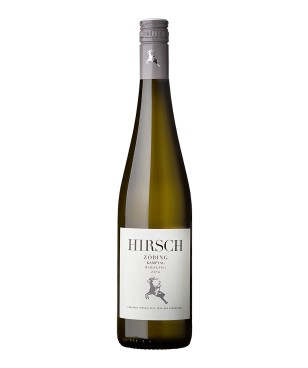
Hirsch Riesling 2021 ...
Quick view Quick View

Hirsch Riesling 2021 ...

€39.90
Tipologia Bianco
Classificazione: Weinviertel 
Regione: Austria
Vitigni: Riesling
Alcol: 13,50% in volume

Formato:

0,75 l Standard

Contiene solfiti - Contains sulfites