 All Wineries
 Our distribution
 All wines
 All red wines
 All italian regions
 All countries
 Champagne
 Classic Method
 All Sparkling Wines
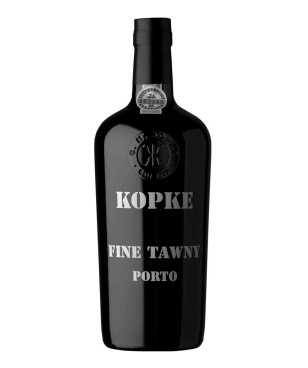
Kopke Fine Tawny Porto 0.75 l
€16.50
|

Portugal has one of Europe's most distinctive wine identities, built on an extraordinarily rich heritage of indigenous grape varieties, diverse territories and deeply rooted winemaking traditions.
In this category you will find a selection of Portuguese wines from different producers, regions and vintages, ranging from structured Douro reds and fresh Atlantic whites to the celebrated fortified wines that have helped establish Portugal's international reputation.
Touriga Nacional, Touriga Franca, Tinta Roriz, Arinto and numerous other varieties contribute to an extremely diverse wine landscape in which climate, altitude, Atlantic influence and soil characteristics all play fundamental roles.
Portuguese viticulture extends across very different territories, from cooler northern regions influenced by the Atlantic to inland areas characterised by hot summers and more continental conditions.
This diversity allows Portugal to produce red wines , white wines , rosé, sparkling and fortified wines with widely differing characteristics.
One of the country's defining features is its extraordinary wealth of indigenous grape varieties, many of which have been cultivated for centuries and are increasingly valued both as varietal wines and in blends.
The Douro is one of Portugal's most important and recognisable wine regions. Its landscape is characterised by steep slopes along the river, terraced vineyards and often demanding growing conditions.
Historically associated with Port production, the Douro is now also renowned for red wines of considerable structure and complexity.
Significant temperature variations, altitude and diverse vineyard exposures allow producers to create wines combining fruit ripeness, concentration and freshness.
Port is one of Portugal's iconic wines and is produced in the Douro through a fortification process that interrupts fermentation and preserves part of the grapes' natural sugar.
Numerous styles of Port exist, differing in ageing method, aromatic character and potential for development, from youthful and fruit-driven expressions to wines designed for extended maturation.
The tradition of fortified wine is a fundamental part of Portuguese wine history and continues to play an important role in the country's international reputation.
Among Portugal's most representative grape varieties is Touriga Nacional, capable of producing intense, aromatic and structured wines.
It is frequently blended with Touriga Franca, Tinta Roriz and other traditional varieties in both Douro wines and Port.
Blending has historically played an important role in Portuguese viticulture, allowing producers to combine structure, aromatic character, freshness and ageing potential.
Portugal also produces a remarkable diversity of white wines, particularly interesting in areas influenced by the Atlantic Ocean and in territories at higher elevations.
Among the significant varieties is Arinto , appreciated for its freshness and acidity, together with numerous other indigenous grapes capable of producing different aromatic profiles and structures.
Styles can range from light and approachable whites to deeper and more complex wines, including expressions shaped by extended ageing and different winemaking techniques.
In north-western Portugal lies the Vinho Verde region, characterised by strong Atlantic influence and cooler, wetter climatic conditions than many other areas of the country.
Wines are often distinguished by freshness, acidity and an agile structure, with different indigenous varieties used across the region.
Alongside lighter and more immediate styles are more structured and complex wines capable of demonstrating the quality potential of individual grapes and terroirs.
Alentejo is another important Portuguese wine region, characterised by a generally warm climate and more open landscapes than those found further north.
Red wines can show ripe fruit, softness and structure, while whites can combine aromatic intensity and freshness through careful grape selection and vineyard management.
The region produces both traditional and modern interpretations and contributes significantly to the stylistic diversity of Portuguese wine.
One of the most interesting aspects of Portuguese wine is its extensive heritage of indigenous grape varieties, many of which remain relatively uncommon outside the country.
The tradition of blending makes it possible to combine different varieties according to terroir and the style sought by the producer.
Alongside blends, there is also growing interest in varietal wines designed to highlight the personality of individual grapes.
Portugal's climate changes significantly from one region to another. Proximity to the Atlantic helps moderate temperatures in coastal areas, while inland territories can experience hotter and drier conditions.
Altitude also plays an important role, particularly in inland and northern areas, where it can contribute to preserving acidity and freshness.
These environmental differences help explain the remarkable diversity of styles found throughout Portuguese wine production.
More structured Portuguese reds pair well with roasted meats, braised dishes, game and aged cheeses, while fresher reds can accompany cured meats and flavourful pasta dishes.
White wines are particularly suitable for fish, shellfish, vegetables and Mediterranean cuisine, while fortified wines can accompany desserts and cheeses or simply be enjoyed on their own.
Our selection of wines from Portugal includes bottles from different producers, territories and styles, chosen to showcase the richness and distinctive identity of Portuguese viticulture.
Our aim is to offer a choice suitable both for those discovering Portuguese wines and for enthusiasts interested in indigenous grape varieties, historic wine regions and different production philosophies.
Among Portugal's best-known wines are Port, the red wines of the Douro and the white wines of the northern regions, including those associated with Vinho Verde.
Portugal has numerous indigenous grapes, including Touriga Nacional, Touriga Franca, Tinta Roriz and Arinto, alongside many other regional varieties.
Port is a fortified wine produced in the Douro region. Fermentation is interrupted by the addition of grape spirit, preserving part of the grapes' natural sugar.
Yes. Portugal produces numerous dry white wines, ranging from fresh and approachable styles to more structured and age-worthy interpretations, often based on indigenous grape varieties.

|
|
Tipologia |
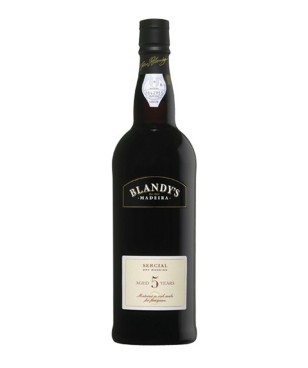
Madeira |
|
Paese: |
Portogallo |
|
Alcol: |
19,00% |
|
Formato: |
0,75 l |
|
Tipologia |
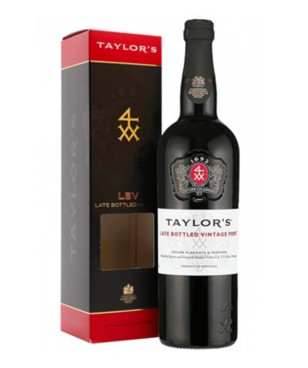
Porto |
|
Paese: |
Portogallo |
|
Alcol: |
20,00% |
|
Formato: |
0,75 l |