Filter by
Price
Country - Region
Manufacturers
Formato

Spain

Spanish wines: regions, grape varieties and traditions

Spain is one of Europe's great wine-producing countries, with an extraordinarily rich heritage of territories, indigenous grape varieties and winemaking traditions. From the structured reds of Rioja and Ribera del Duero to Cava sparkling wines and Atlantic and Mediterranean whites, Spanish wine encompasses profoundly different styles.

In this category you will find a selection of Spanish wines from different producers, regions and appellations, with bottles chosen to showcase the diversity of Spanish viticulture through both traditional and contemporary interpretations.

Tempranillo, Garnacha, Albariño and numerous other grape varieties contribute to a wine landscape in which climate, altitude and Atlantic or Mediterranean influences create remarkably diverse wines.

Viticulture in Spain

Spanish wine production extends across very different territories, from northern areas influenced by the Atlantic Ocean to inland regions characterised by a continental climate and the Mediterranean and southern parts of the country.

This climatic and geographical diversity allows Spain to produce red wines , white wines , rosé wines, sparkling wines and fortified wines with widely differing characteristics.

Alongside historic appellations, an increasingly terroir-focused approach has developed, placing greater emphasis on individual vineyards, old vines and indigenous grape varieties.

Tempranillo: one of Spain's great red grapes

Among Spain's most representative varieties is Tempranillo , the principal grape behind many of the country's great red wines.

The variety takes on different names and characteristics depending on the territory and can produce wines characterised by red and dark fruit, spices, good structure and complex notes developed through ageing.

Its ability to maintain a balance between fruit, structure and oak maturation has contributed significantly to the international reputation of several Spanish appellations.

Rioja: one of Spain's iconic wine regions

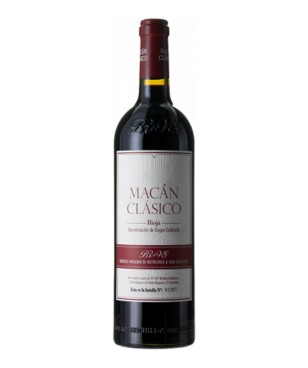
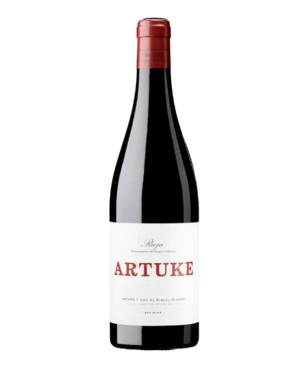
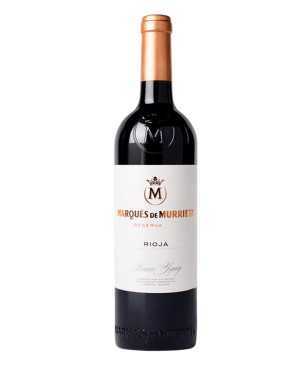
Rioja is one of Spain's best-known wine regions internationally. Tempranillo plays a central role in its production and is frequently accompanied by other traditional grape varieties.

Styles range from young, fruit-driven wines to complex reds subjected to extended ageing, gradually developing spicy, balsamic and tertiary aromas.

Rioja today encompasses both wines linked to more traditional styles and modern interpretations with a stronger focus on individual vineyards and terroir.

Ribera del Duero

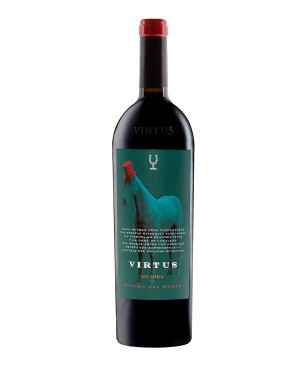
Ribera del Duero, located along the Duero River, is another essential territory for understanding Spain's great red wines.

Tempranillo is central to the appellation and grows under conditions characterised by altitude and significant day-night temperature variations, helping to combine ripeness and concentration with freshness.

The resulting wines are generally structured and intense, with ripe fruit, spices and good potential for ageing.

Garnacha and other red grape varieties

Alongside Tempranillo, Garnacha is another fundamental variety in Spanish viticulture. It is cultivated across several territories and can produce very different wines depending on climate, altitude, vine age and soil characteristics.

In some areas, old vines and low yields can produce deep and concentrated expressions, while elsewhere the variety may show greater fragrance, freshness and immediate appeal.

International varieties such as Cabernet Sauvignon , Merlot and Syrah are also cultivated in several Spanish wine regions.

Spanish white wines

Spain also has an extremely diverse white wine production. Atlantic conditions in the north-west can produce fresh and savoury wines, while producers in warmer regions use different approaches to preserve acidity and balance.

Varieties such as Albariño, Verdejo and Godello have become increasingly recognised outside Spain, contributing to the growing international reputation of Spanish white wines.

International varieties such as Chardonnay and Sauvignon are also cultivated and interpreted according to the characteristics of different Spanish territories.

Cava and Spanish sparkling wines

Among Spain's best-known productions is Cava, a sparkling wine produced through secondary fermentation in the bottle according to the traditional method.

Production includes different styles according to grape varieties, ageing periods and dosage, ranging from fresh and approachable sparkling wines to more complex and mature expressions.

Those interested in exploring different bottle-fermented sparkling wines can also discover our Traditional Method selection.

Climate and Spanish wine regions

One of the most interesting aspects of Spanish viticulture is the enormous diversity of environmental conditions. Atlantic influence shapes several northern regions, while the interior of the peninsula experiences more continental conditions, with hot summers and significant temperature variations.

Altitude plays an important role in many territories, helping to moderate temperatures and preserve freshness and acidity in the grapes.

Mediterranean regions experience different conditions, where abundant sunlight and warmer temperatures encourage ripeness and concentration.

Ageing Spanish wines

Oak ageing has historically played an important role in many Spanish red wines. The length of maturation and the type of vessel used can have a profound influence on the finished wine.

Alongside traditional styles, many contemporary producers take different approaches, placing greater emphasis on fruit, individual vineyards and the specific characteristics of terroir.

This coexistence of tradition and innovation means that Spanish wines today can vary considerably in style and production philosophy.

Food pairings with Spanish wines

The diversity of Spanish wine allows for numerous food pairings. Structured reds work well with meat, roasts, aged cheeses and flavourful dishes, while fresher reds can accompany cured meats and pasta dishes.

White wines are suitable for fish, shellfish, vegetables and Mediterranean cuisine, while sparkling wines can accompany aperitifs, tapas, appetisers and a wide variety of seafood dishes.

Il Quadrifoglio Wine selection

Our selection of wines from Spain includes bottles from different producers, territories and appellations, chosen to showcase the diversity and personality of Spanish wine.

Our aim is to offer a choice suitable both for those discovering Spanish wines and for enthusiasts interested in comparing grape varieties, appellations, producers and different expressions of terroir.

Frequently asked questions about Spanish wines

What are the best-known Spanish wines?

Among the best-known Spanish wines are the reds of Rioja and Ribera del Duero, Cava sparkling wines and numerous white wines from the northern regions of Spain.

What is Spain's most representative red grape variety?

Tempranillo is one of the symbolic grapes of Spanish viticulture and plays a central role in important wines from regions such as Rioja and Ribera del Duero.

Does Spain produce white wines?

Yes. Spain produces numerous white wines from indigenous varieties such as Albariño, Verdejo and Godello, as well as international grape varieties.

What is Cava?

Cava is a Spanish sparkling wine produced through secondary fermentation in the bottle according to the traditional method, with styles varying according to grape varieties, ageing and dosage.

You may also be interested in:

Spanish wines: Rioja, Ribera del Duero, Cava and more | Il Quadrifoglio Wine