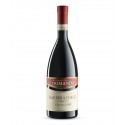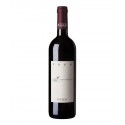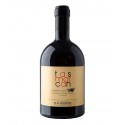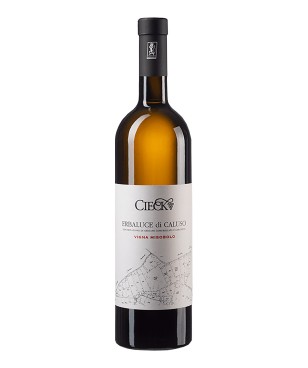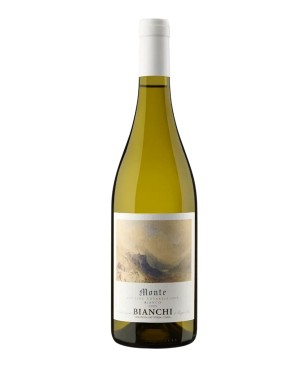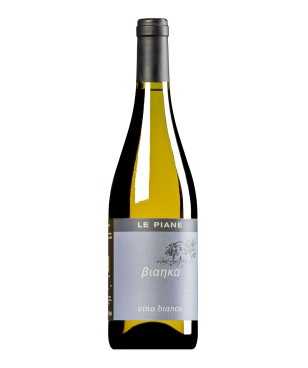
Bianchi Monte Bianco 2024 Colline Novaresi DOC
|
Contiene solfiti - Contains sulfites
Erbaluce is one of Piedmont's most distinctive indigenous white grape varieties, historically associated with Canavese and the hills surrounding Lake Viverone. It produces fresh, elegant and age-worthy wines capable of expressing the territory through different styles.
In this category you will find a selection of Erbaluce wines from different producers and vintages, ranging from young and approachable interpretations to expressions with greater structure and complexity.
Citrus fruit, apple, white flowers and herbs are among the grape's most characteristic aromas, often accompanied by marked freshness and savoury, mineral sensations that help define its profile.
Erbaluce generally produces pale straw-coloured wines with a fine aromatic profile in which notes of citrus fruit, green apple, white flowers and herbs can emerge.
On the palate, one of its most recognisable characteristics is its pronounced acidity, often accompanied by savouriness and a structure capable of giving the wine precision and persistence.
This natural freshness allows the grape to be interpreted through different winemaking techniques and contributes to the ability of its most important expressions to develop with age.
Erbaluce is deeply connected with Piedmont , where it represents one of the region's most historically and territorially significant indigenous white grape varieties.
Its cultivation is concentrated mainly in the northern part of the region, distinguishing it from other important Piedmontese white wines associated with the Langhe, Roero and the province of Alessandria.
Erbaluce therefore contributes to the remarkable diversity of Piedmontese viticulture, revealing a different side of a region internationally renowned for its great red wines.
The principal territory associated with Erbaluce is Canavese, an area of northern Piedmont characterised by hills of glacial origin and a landscape shaped by the Alps and its lakes.
One of the best-known expressions of the grape is Erbaluce di Caluso, an appellation identifying wines produced in an area historically associated with the cultivation of this variety.
The characteristics of the territory and its climate help preserve the grapes' acidity and encourage wines characterised by tension, finesse and a recognisable mineral quality.
One of the distinctive qualities of Erbaluce is its ability to produce very different styles of wine. In addition to traditional dry whites, the grape can be used to make sparkling and sweet wines from dried grapes.
Its naturally high acidity is particularly valuable both for sparkling wine production and for maintaining balance and freshness in wines made from partially dried grapes.
This versatility makes Erbaluce particularly interesting for understanding how a single grape variety can take on very different characteristics depending on the production method.
Erbaluce Passito represents one of the grape's most distinctive traditional interpretations. Drying the grapes concentrates sugars, aromas and structure, while Erbaluce's natural acidity helps maintain balance and freshness.
Its aromatic profile can develop towards notes of dried fruit, apricot, honey, spices and increasingly complex nuances with age.
This is a very different style from dry Erbaluce, yet it retains some of the grape's defining characteristics, particularly its significant acidity.
Erbaluce, Arneis and Cortese represent three important expressions of Piedmontese white viticulture, but each has different characteristics and territories of reference.
Erbaluce tends to stand out for acidity and tension, Arneis for a generally softer and more aromatic profile, while Cortese combines freshness and savouriness and is closely associated with the production of Gavi.
Comparing these grape varieties reveals the diversity of white wines produced in Piedmont and the strong relationship between indigenous grapes and their regional territories.
The grape's natural acidity allows more structured interpretations of Erbaluce to develop interesting characteristics with age.
Over time, a profile initially dominated by citrus, fresh fruit and floral notes can develop more complex aromas while generally retaining a fresh and savoury character.
Ageing potential naturally depends on the territory, vintage, winemaking techniques and the style chosen by the producer.
Dry Erbaluce wines pair well with appetisers, fish, shellfish, vegetables, risotto and delicate pasta dishes. Their freshness also makes them suitable for dishes with a moderately rich or fatty component.
Sparkling versions are particularly versatile as an aperitif and throughout a meal, while sweet Erbaluce wines can accompany dry pastries, blue cheeses or be enjoyed on their own.
Our selection includes Erbaluce wines from different producers and vintages, with bottles chosen to showcase the character of this historic indigenous Piedmontese grape variety.
Our aim is to offer a choice suitable both for those looking for a fresh, mineral and terroir-driven white wine and for enthusiasts interested in discovering the different interpretations of Erbaluce.
Erbaluce is a Piedmontese white grape variety characterised by pronounced acidity. It can produce dry white wines, sparkling wines and sweet wines from dried grapes, showing different characteristics depending on the production style.
Erbaluce is grown primarily in northern Piedmont and is particularly associated with Canavese and the area around Caluso.
They are two different indigenous Piedmontese white grape varieties. Erbaluce tends to show greater acidity and tension, while Arneis generally has a softer and more aromatic profile.
Dry Erbaluce pairs well with fish, shellfish, vegetables, risotto and appetisers. Sparkling versions are excellent as an aperitif, while sweet versions can accompany desserts and cheeses.
|
Contiene solfiti - Contains sulfites
|
Tipologia |
Bianco Secco |
|
Regione: |
Piemonte |
|
Vitigni: |
100% Erbaluce |
|
Alcol: |
13,00% in volume |
|
Formato: |
0,75 l Standard |
Contiene solfiti - Contains sulfites
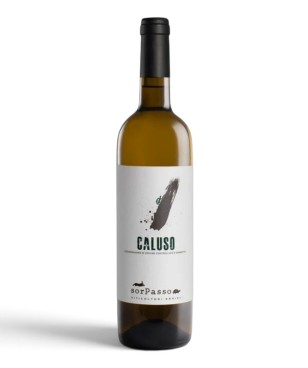
|
Tipologia |
Bianco Secco |
|
Regione: |
Piemonte |
|
Vitigni: |
100% Erbaluce |
|
Alcol: |
13,00% in volume |
|
Formato: |
0,75 l Standard |
Contiene solfiti - Contains sulfites
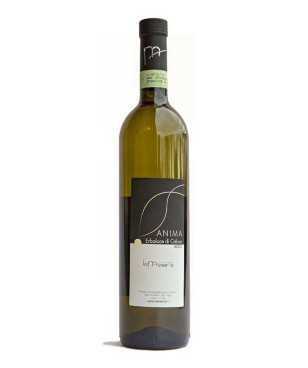
The 2024 "Bianko" by the renowned Le Piane winery is a Italian white wine made from 100% Erbaluce grapes. A fresh, savory, and remarkably crisp expression that showcases the signature minerality of Alto Piemonte alongside a smooth, energetic, and delightful palate.
| Type: | White Wine |
| Classification: | White Wine |
| Region: | Piedmont (Italy) |
| Varietal: | 100% Erbaluce |
| Alcohol Content: | 13.00% by volume |
| Bottle Size: | 0.75 l Standard |
Contiene solfiti - Contains sulfites
|
Tipologia |
Bianco Secco |
|
Regione: |
Piemonte |
|
Vitigni: |
100% Erbaluce |
|
Alcol: |
13,00% in volume |
|
Formato: |
0,75 l Standard |
Contiene solfiti - Contains sulfites
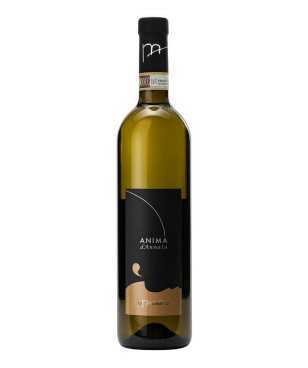
|
Tipologia |
Bianco Secco |
|
Regione: |
Piemonte |
|
Vitigni: |
100% Erbaluce |
|
Alcol: |
13,00% in volume |
|
Formato: |
0,75 l Standard |
Contiene solfiti - Contains sulfites
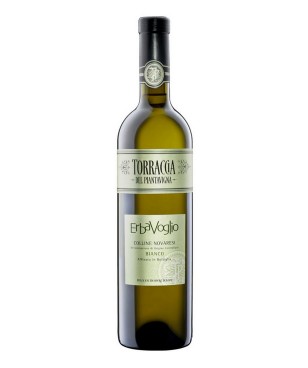
|
Tipologia |
Bianco Secco |
|
Regione: |
Piemonte |
|
Vitigni: |
100% Erbaluce |
|
Alcol: |
13,00% in volume |
|
Formato: |
0,75 l Standard |
Contiene solfiti - Contains sulfites
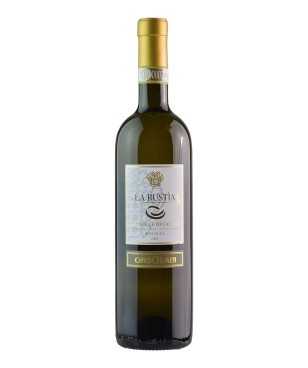
|
Tipologia |
Bianco Secco |
|
Regione: |
Piemonte |
|
Vitigni: |
100% Erbaluce |
|
Alcol: |
13,00% in volume |
|
Formato: |
0,75 l Standard |
Contiene solfiti - Contains sulfites