Filter by
Categories
Price
Country - Region
Manufacturers
Formato

Sweet Wines

Sweet Wines: natural sweetness, enveloping aromas, and fine dessert wines

Sweet Wines represent a fascinating and multi-faceted category, capable of concluding a celebratory meal in style or providing moments of pure meditation. Crafted from grapes rich in natural sugars through time-honored techniques like drying (appassimento), late harvest, or halted fermentation, these wines stand out for their extraordinary aromatic intensity and palate complexity.

In this category, you will find a curated selection of fine Italian and international sweet and dessert wines: from fragrant Moscato d'Asti to iconic island passitos, alongside late harvests, botrytized wines, and traditional fortified expressions. Our catalog features fresh, fruity labels as well as collectible bottles suitable for decades of cellaring.

If you love fine aromatic and sparkling wines, you can also explore our categories dedicated to Moscato d'Asti, Passito, and sparkling wines.

How to choose a Sweet Wine

Selecting a sweet wine involves evaluating the production method, level of residual sweetness, alcohol content, and the presence of effervescence or oxidative notes. Depending on the dessert or occasion, a specific style will best enhance your tasting experience.

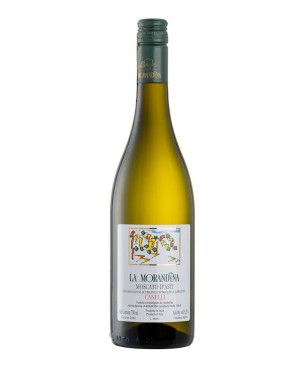
Aromatic and lively sweet wines (such as Moscato d'Asti) offer low alcohol, vibrant freshness, and delicate spritz, making them light and ideal for leavened cakes and baked pastries. Passito wines and late harvests present a richer, more concentrated structure with enveloping aromas of honey, dried apricot, and toasted nuts.

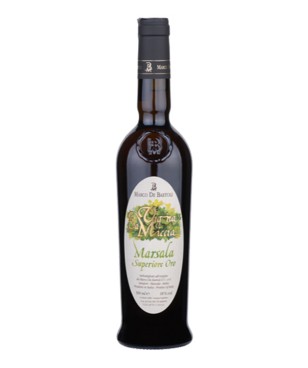
Botrytized wines (affected by noble rot) and fortified wines (such as Marsala, Port, or Sherry) deliver remarkable complexity with spicy, toasted accents, ranking among the world's finest meditation wines.

Sweet Wine terroirs and heritage

Italy boasts a centuries-old heritage of sweet wines across its diverse regions. Piedmont is the undisputed home of Moscato Bianco, producing aromatic wines of unrivaled fragrance. In Sicily and its surrounding islands, sun and Mediterranean breezes shape legends like Passito di Pantelleria from Zibibbo grapes and Malvasia delle Lipari.

Tuscany and Veneto preserve the great indoor grape-drying tradition through Vin Santo and Recioto (both Recioto di Soave and Recioto della Valpolicella). Across the peninsula, boutique hillside districts produce late harvest and passito wines from native grapes of rare elegance.

Internationally, France with Sauternes and Germany with Riesling Auslese and Beerenauslese set the global standard for noble botrytized sweet wines.

Characteristics and food pairings

The ideal food pairing for sweet wines often follows the rule of harmony: a sweet dessert always requires a sweet wine to prevent the sip from tasting bitter or flat.

Light, fruity sweet wines pair seamlessly with Panettone, Pandoro, fruit tarts, and berry desserts. Concentrated passito wines complement dry biscuits, hazelnut or chocolate cakes, cannoli, and Sicilian cassata. For a striking flavor contrast, try pairing passitos or botrytized wines with blue cheeses (such as Gorgonzola or Roquefort) and foie gras.

The selection at Il Quadrifoglio Wine

Our collection brings together the noblest expressions of sweet wines, combining historic Italian and international estates with boutique artisanal vignerons who tend their grapes with manual care.

The mission of Il Quadrifoglio Wine is to offer extraordinary bottles suited for concluding festive meals, presenting a refined gift, or enjoying a quiet moment of pure relaxation at the end of the day.

Frequently Asked Questions about Sweet Wines

What is the difference between a passito wine and a late harvest wine?

Late harvest (Vendemmia Tardiva) means grapes are left to overripe and dehydrate naturally on the vine past normal harvest dates. Passito involves harvesting the grapes and drying them post-harvest on wooden racks, in crates, or in sun-lit loft spaces before vinification.

At what temperature should sweet wine be served?

Light, gently sparkling sweet wines (e.g., Moscato) should be served well-chilled between 6°C and 8°C (43°F – 46°F). Passito, late harvest, and fortified wines are best served between 10°C and 14°C (50°F – 57°F) so cold temperatures do not numb their rich aromatic bouquet.

How long does an opened bottle of sweet or passito wine keep?

Thanks to high natural sugar levels and alcohol content, a re-corked bottle of sweet or passito wine kept in the refrigerator will retain its sensory qualities for several weeks.

Do quality sweet wines contain added sugar?

No, in quality designated sweet wines, all sweetness comes exclusively from natural grape sugars that were not converted into alcohol during fermentation.

You might also be interested in:

Sweet & Dessert Wines: Italian fine wine selections | Il Quadrifoglio Wine

There are 124 products.

Showing 1-24 of 124 item(s)
Mongioia Moscato d'Asti...
Quick view Quick View

Mongioia Moscato d'Asti DOCG 2024

€13.50
Tipologia Bianco fermo dolce aromatico
Classificazione: DOCG Moscato d'Asti
Regione: Piemonte
Vitigni: 100% Moscato Bianco
Alcol: 5,50% in volume
Formato: 0,75 l Standard

Contiene solfiti - Contains sulfites